Colorado Urban Fires Were Not an Act of God.

Colorado Urban Fires Were Not an Act of God.

COLORADO URBAN FIRES WERE NOT AN ACT OF GOD.

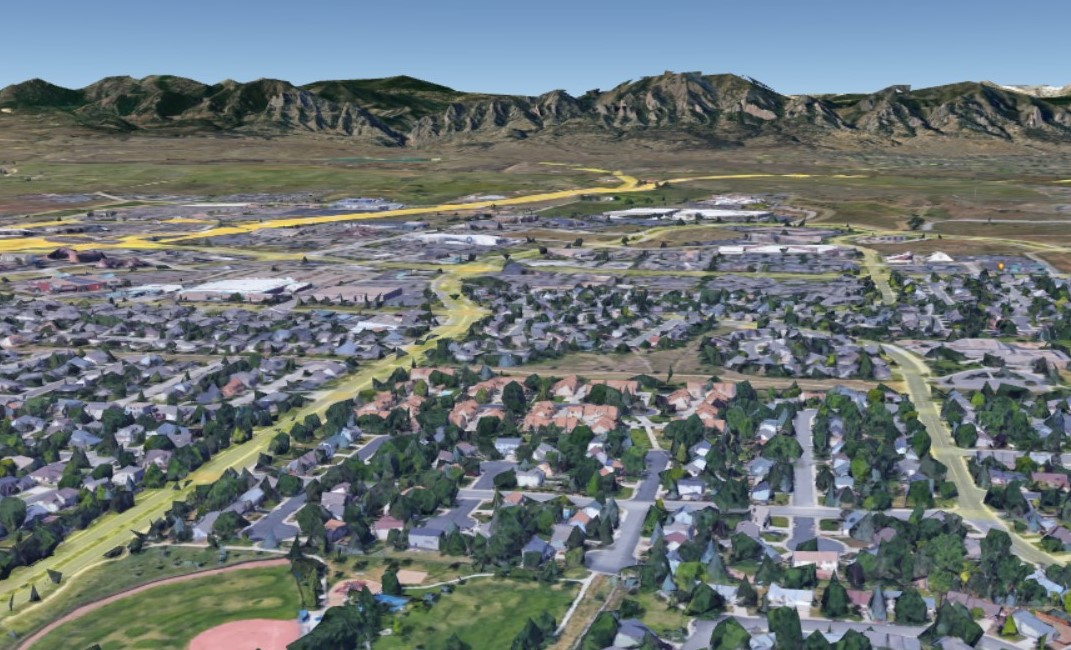
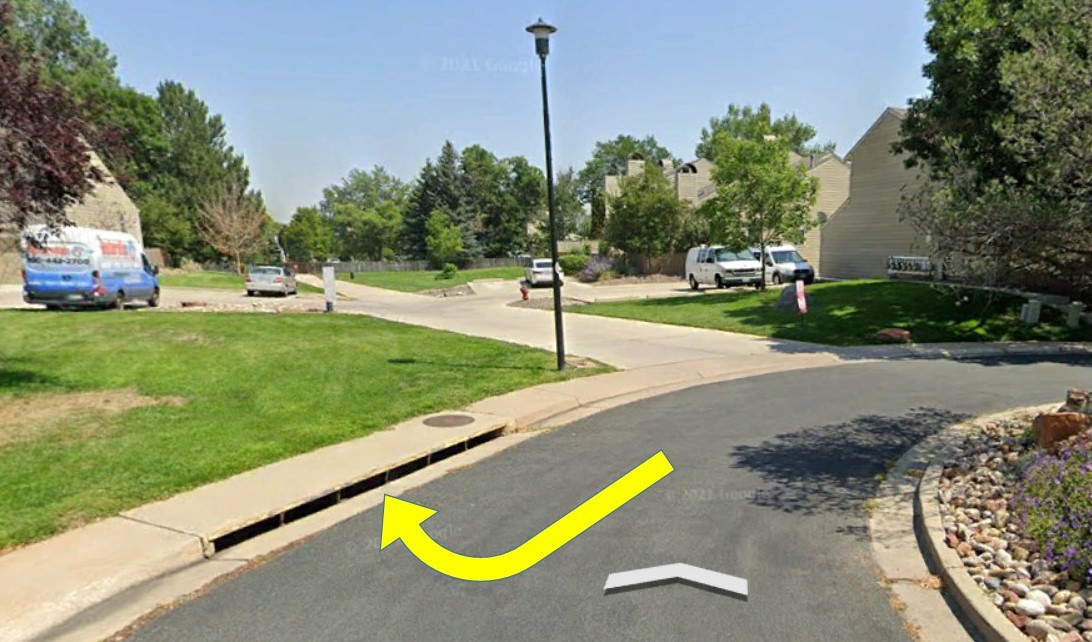
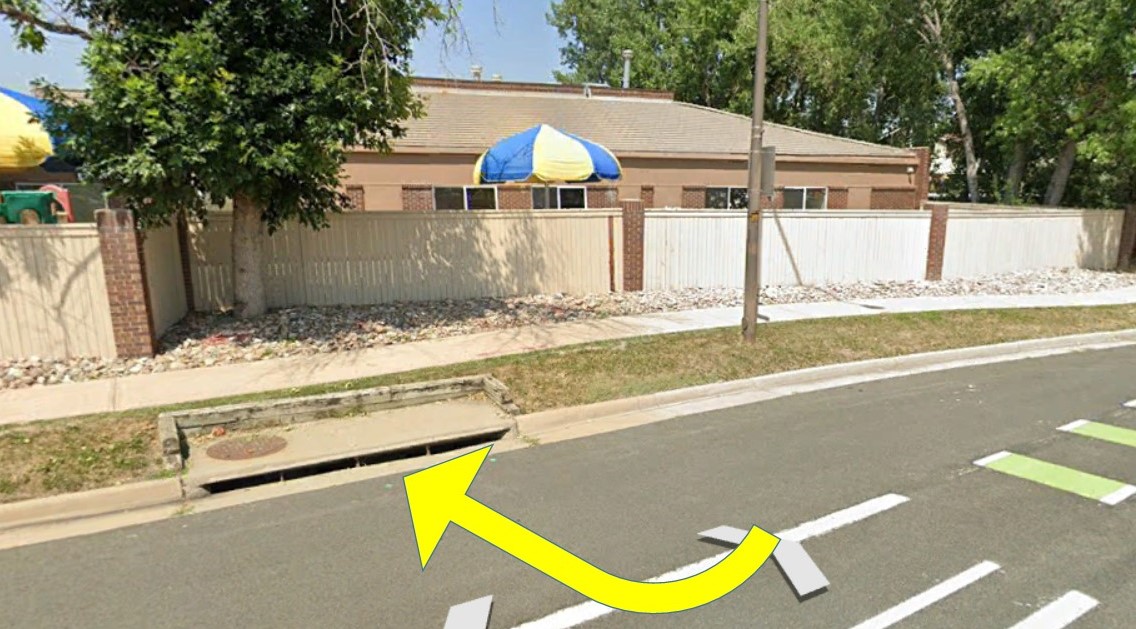
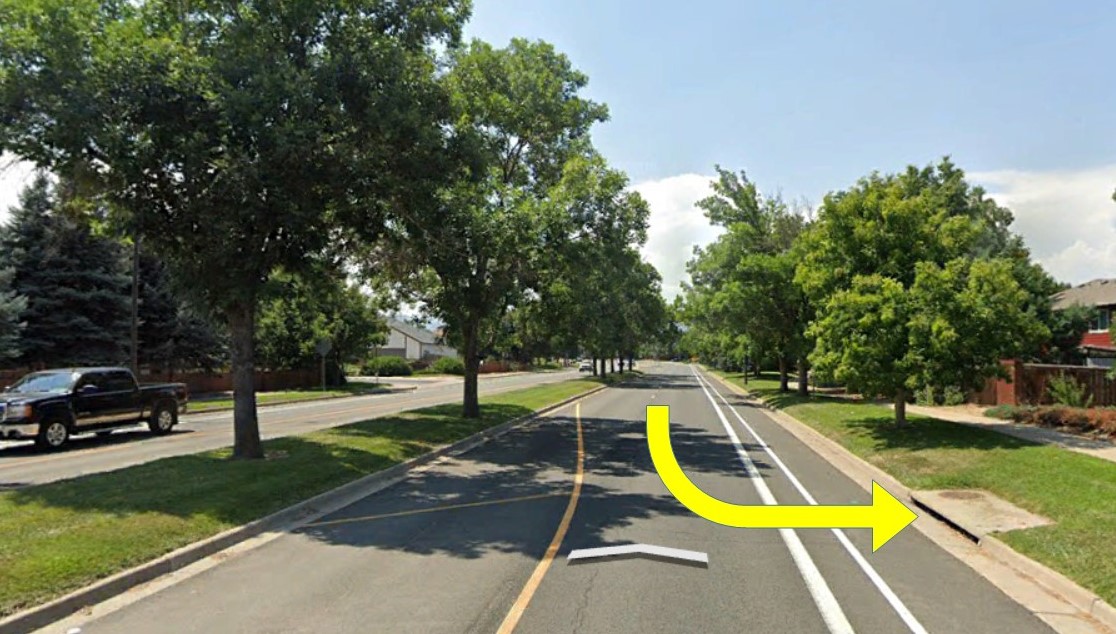
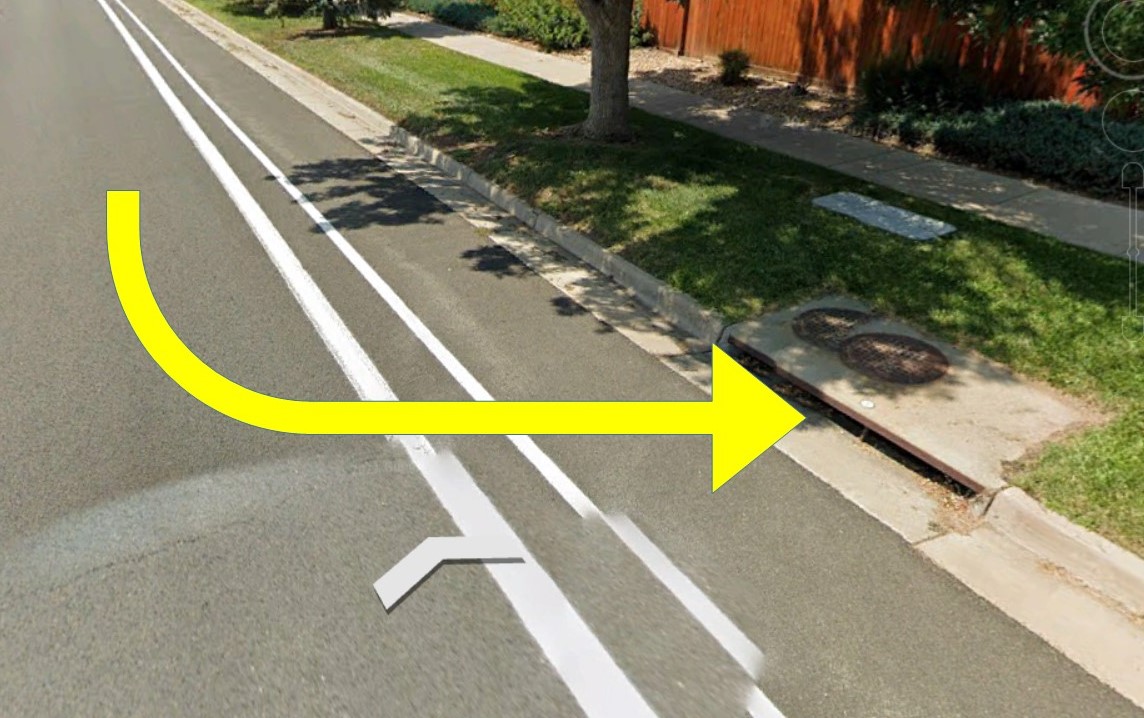
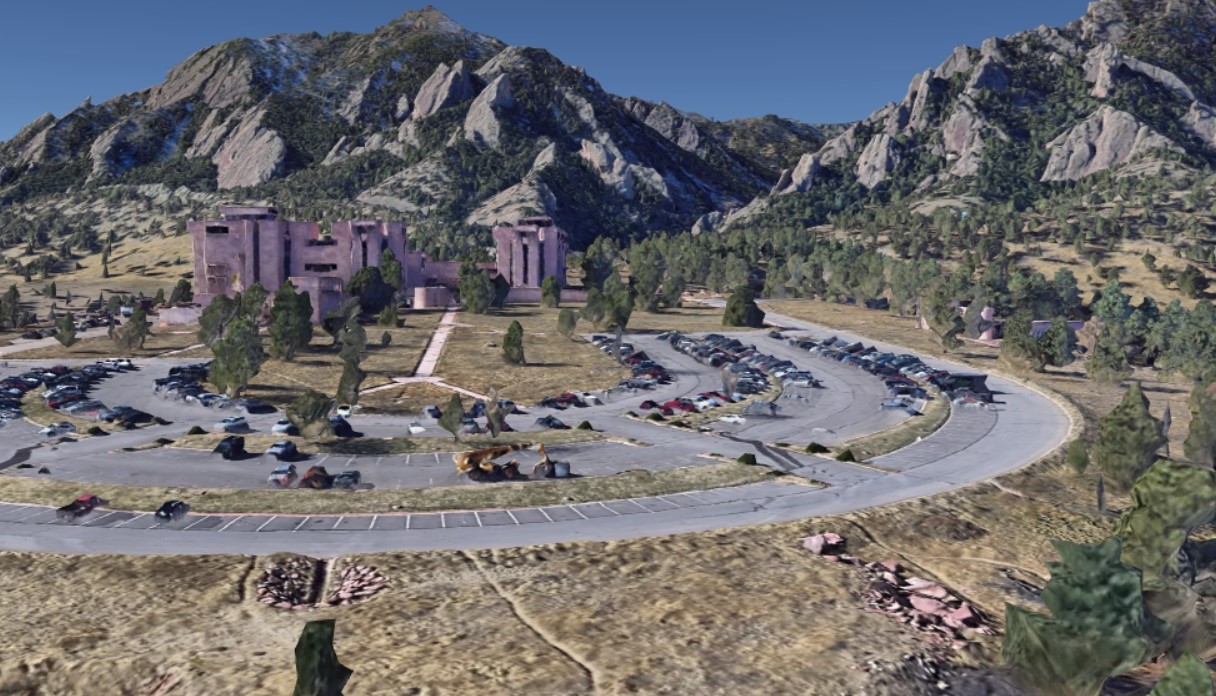
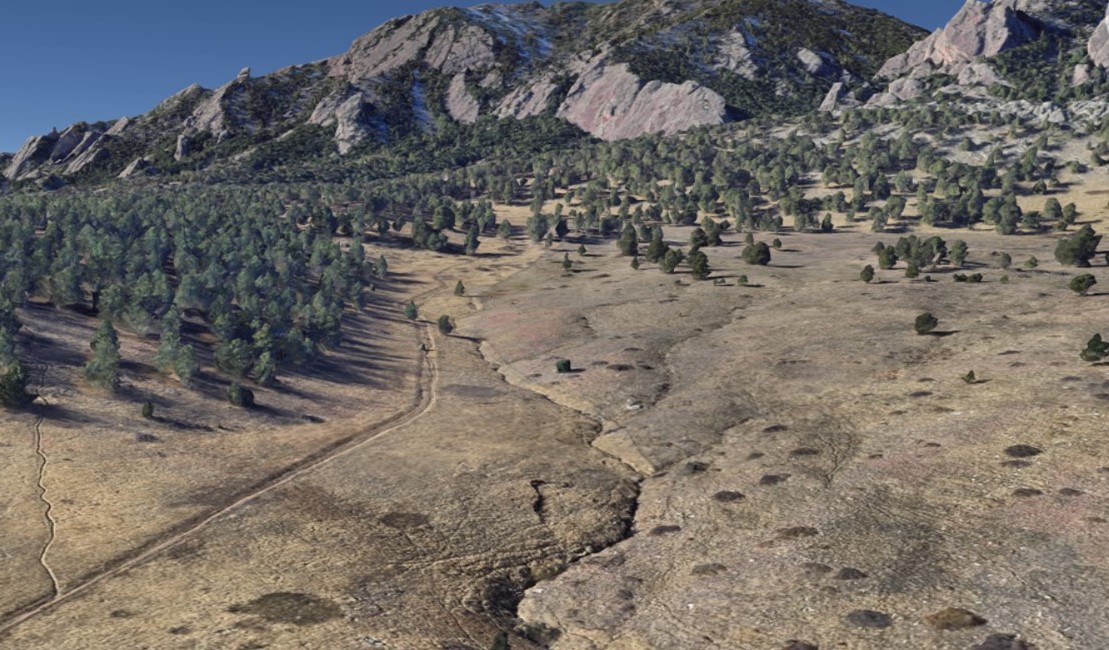
Land Alterations Cause Weather Pattern Changes. The chinook winds would not spur fire damages in a healthy watershed. This article continues my recent blog explaining the cause of amplified chinook wind destruction, which manifested at the foothills of the Rocky Mountains in Colorado and caused the Marshall and Middle Fork fires in Boulder county. Thus, I took a virtual walk with Google map street view and looked at the region to examine some context and the root of the problem.

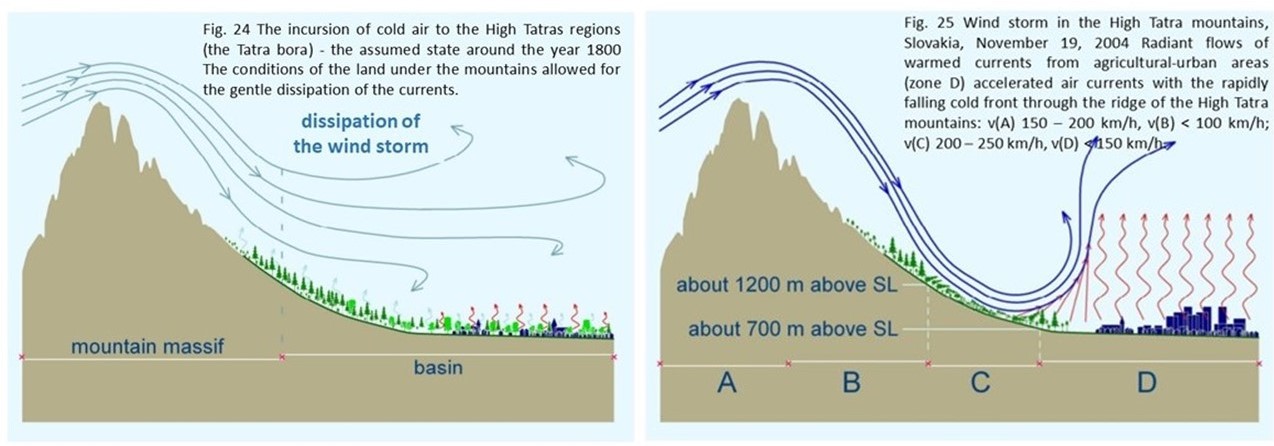
The cause of this climate phenomenon, which occurs mainly in autumn and winter, is the rapid cooling of the dry part of the countryside and the temperature gradient between the still-warmed landscape and adjacent cold areas, causing extreme winds aloft from the mountains to the valleys. The force of the wind accelerates in those regions of the world where a particular part of the country cools suddenly, and the adjoining portion of the country remains warm. The boundaries between mountain ranges and plains create the prime conditions for these weather extremes. As the wave of air flows up and over the mountain, it accelerates the force of the wind. Inversion multiplies the speed. At the same time, the adjacent and still-warm landscape provides perfect conditions for the extreme winds from the mountains to the valleys. One such area is in the foothills of the Rocky Mountains, next to the vast dried-up prairie in Colorado. We call these winds “bora” in Slovakia or “foehn” in Germany. The latest severe bora caused significant havoc in 2004 at the foothills of the 2,500 m (8,200 ft) peaks of the Tatra mountains, uprooting monoculture spruce trees for tens of thousand acres of land.

Colorado is home to 5.8 million residents, many of whom live in the cities sprawling within fifteen miles of the foothills of the Rocky Mountains, from north to south. Almost 90% of the citizens live close to the mountains. These towns originated at the times of the Gold Rush and gradually transformed into new modern cities, which adapted their infrastructure to current traffic and business demands that provide for people nowadays.

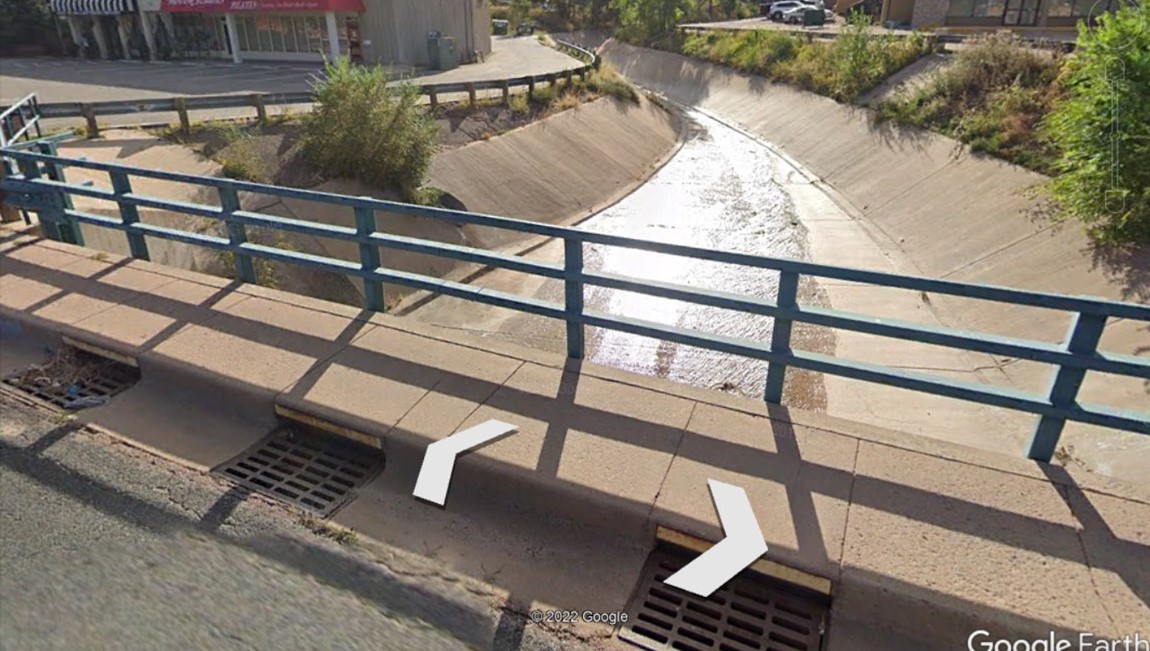
Denver urban policy goes in line with the rest of the world: to provide comfort and dry dwellings and road conditions to the people who live there. Modern urban policies are designed for rainwater drainage as fast as possible. Google maps street view allowed me to view the regulated waterways, such as the creek in Denver. Albeit virtually, I visited Denver and the towns of Superior and Louisville, which lost more than one thousand homes in the Marshall fire, December 30, 2021. Almost 35 thousand people had to be evacuated within hours due to imminent fire risk during the high wind reaching gusts of 110 miles per hour. Unfortunately, at the time of writing this article, three people are still missing.

Recent studies by the U.S. Geological Survey and other scientists suggest that the region may become drier for 2 to 3 decades. Annual precipitation in this area is less than 400 mm. Nevertheless, the urban areas allow for rainwater drainage, amounting to large quantities of water loss.

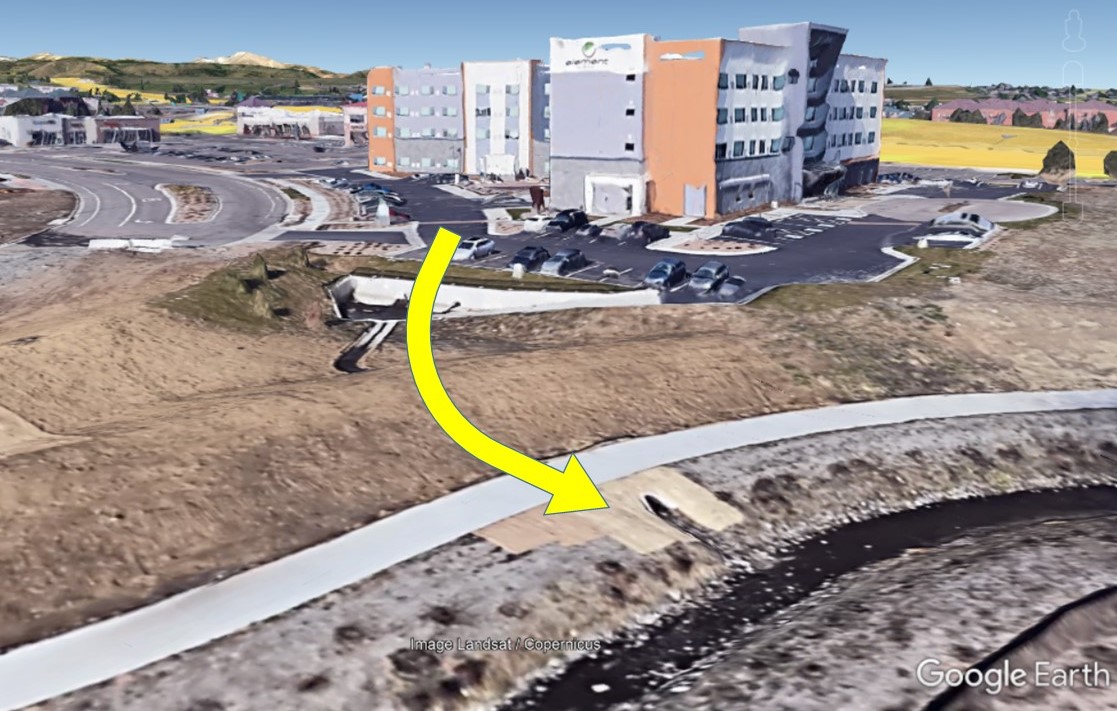
I tried to map the water management in the very neighborhood affected by fires, and I have to admit I’m entirely frustrated! All rainfall is diverted and disposed of as an inconvenience! Even the New Year’s snowfall that had fallen the day after the fires will eventually drain to canals. How can stormwater management allow for such drainage in the region, recording only 350 mm annual precipitation?


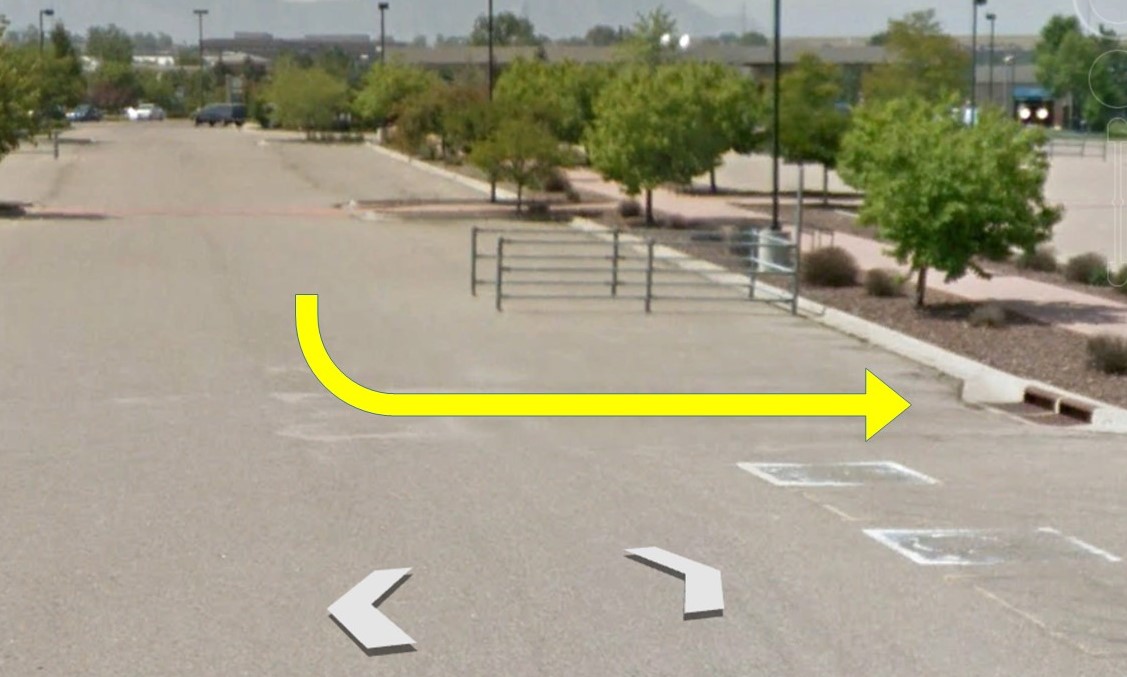
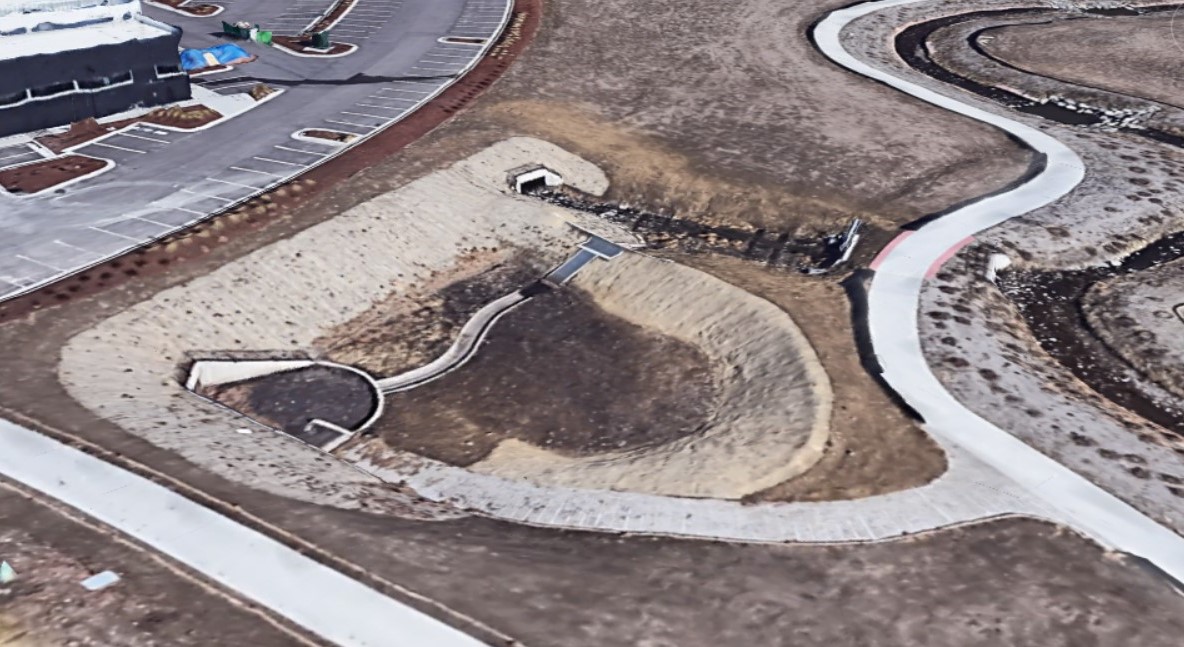
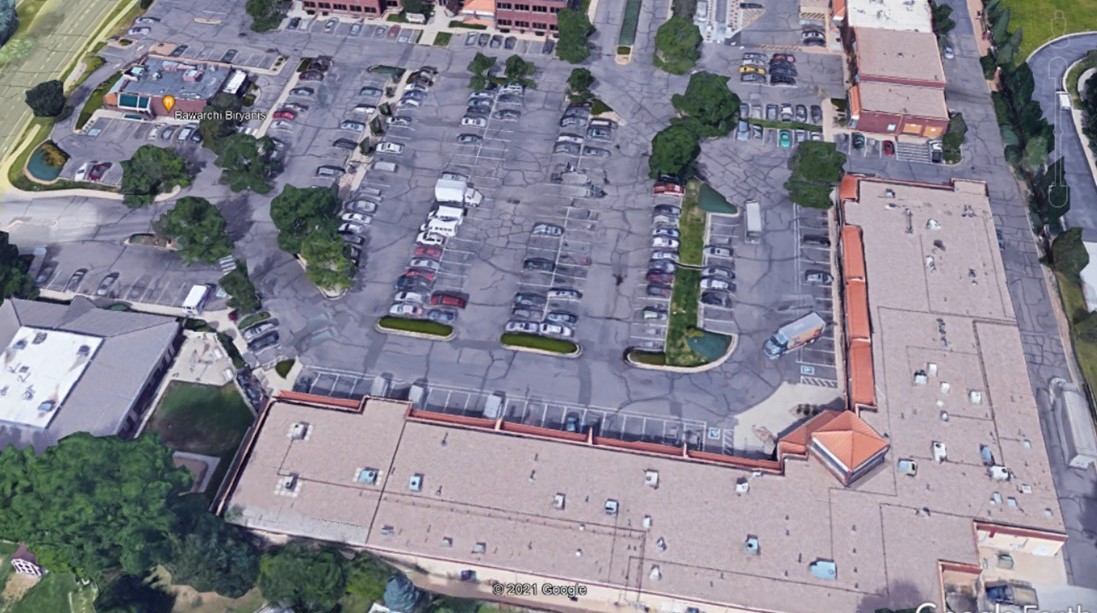
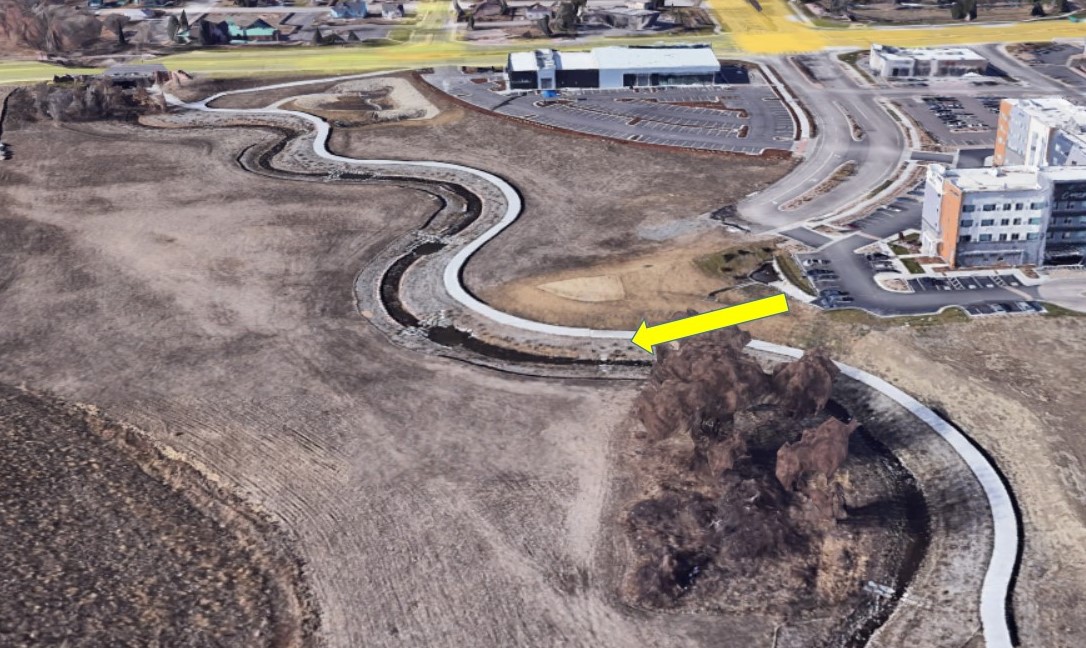
Without ever setting foot in the town of Superior, I can see the city may experience torrential rains at times as their urban solutions confirm the old water management: the rainwater runoff is collected from the sealed surfaces and drained into canals. I notice the new stormwater management components near some urban structures, mainly next to the shopping centers and public buildings. However, it seems their primary function is to provide for the runoff easement at  times of downpours. 

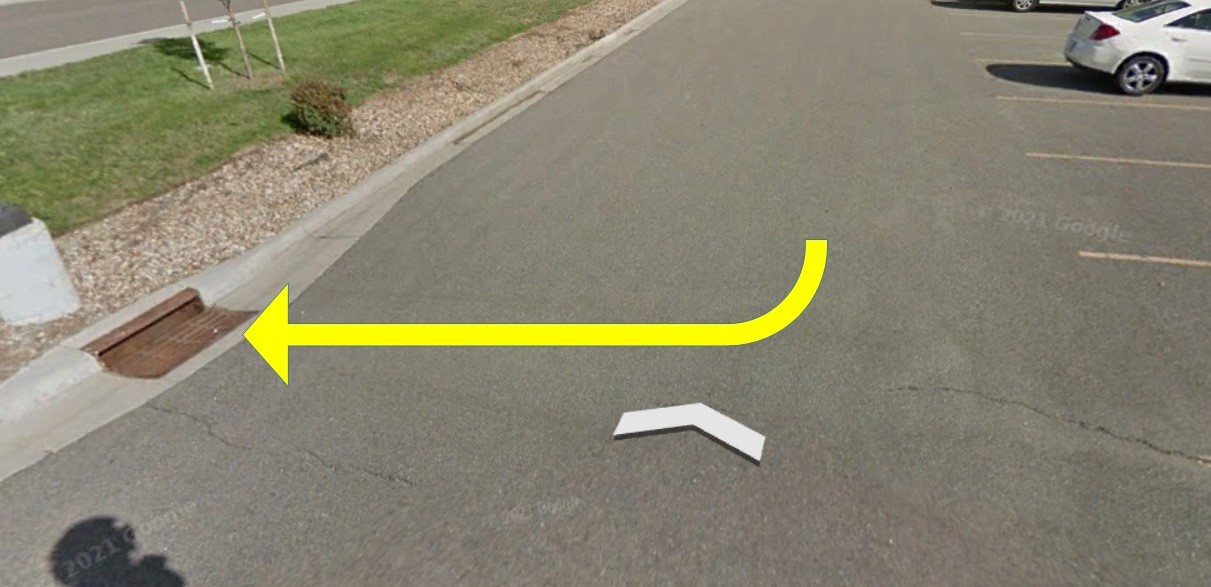
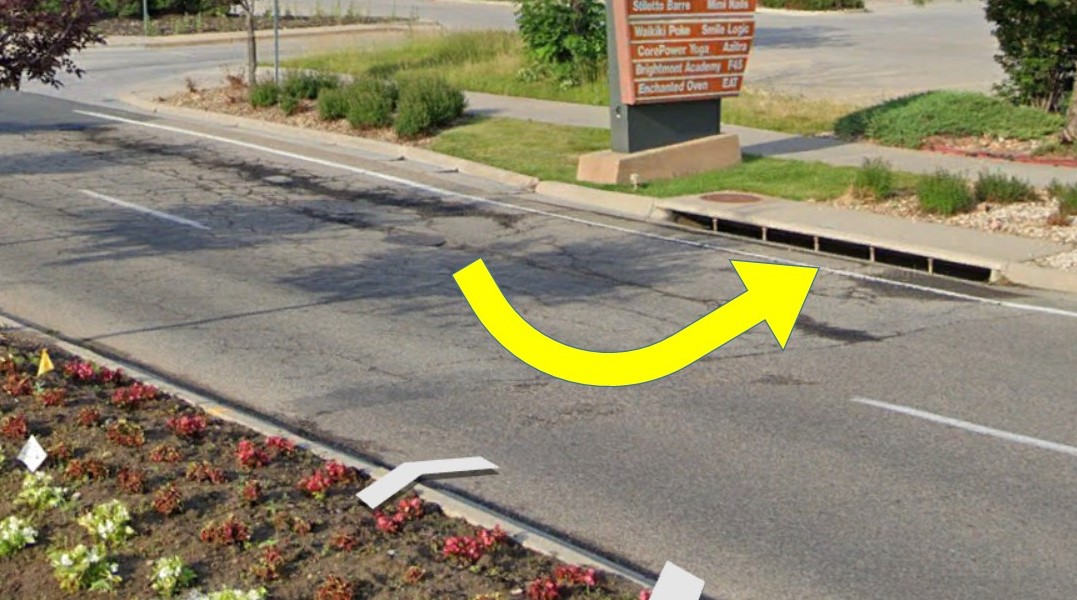
The old urban water management provides these ineffective solutions for the road infrastructures, parking spaces, and roof drainage of all the buildings.

The long-term droughts and parched landscape lack moisture. The town demonstrate the need to water the public green spaces and gardens. 

The overall town water management needs a new water paradigm shift. Pictures show examples of the old water paradigm, contributing to long-term droughts: the regulated creeks, fed by canals collecting the rainwater from the sealed surfaces.

Most new sprawling towns and mountain resorts apply similar rainwater management in the Colorado Front Range Rocky Corridor, which cannot sustain sufficient greenery and nurture barely sparse vegetation due to a lack of rainwater in the whole region. Yes, this countryside depends primarily on the snowpack. Yet, there’s no excuse for discarding rainwater from spring to fall rather than encouraging the small water cycles. 

Let’s summarize the rainwater budget:

         Urban territories with 5 million residents annually divert more than one hundred million cubic meters (100 mils. m3) of rainwater from an area of 5,000 km2 (2,000 square miles). That amounts to one billion cubic meters of rainwater without benefit in the last ten years. 1 billion m3 of rainwater could have been retained, slowed down, enriched soil and vegetation, or infiltrated slowly into the ground, recharging groundwater aquifers. 1 billion m3 of stormwater runoff drifted away in regulated canals, leaving an arid land and its habitats behind, including the surprised residents, lamenting the long-running water deficits.

Degradation of the watershed results in broken small water cycles. A loss of water from the soil and ecosystems has many outcomes, such as prolonged precipitation-free periods, with an overall long-term decrease in the precipitation balance. Next is the growth of extremes and their intensity over a shorter duration in time. Another effect impacts energy flows in the atmosphere and the overheating of the landscape. How does that manifest itself?

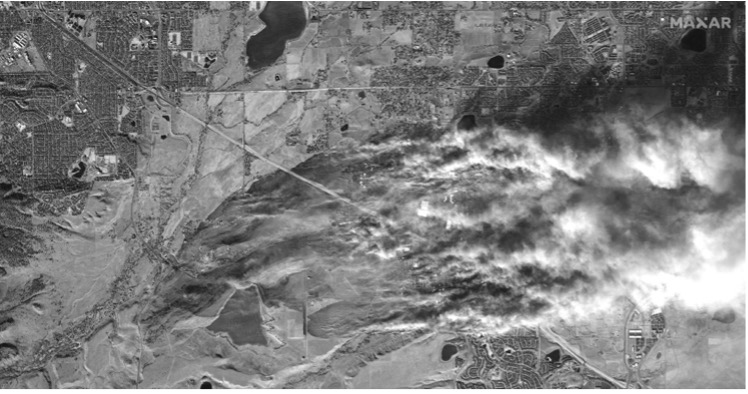
Strong wind gusts from 70 to 115 miles per hour caused damages in Boulder country, causing grass and utility fires, which spread fast to urban neighborhoods. This satellite image provided by Maxar Technologies shows an overview of South Boulder and the Marshall Fire burning Thursday, Dec. 30, 2021, near Superior and Louisville. (Satellite image ©2021 Maxar Technologies) https://www.dailycamera.com/2021/12/31/photo-gallery-satellite-imagery-of-marshall-fire-in-boulder-county.

Source: A New Water Paradigm – water for the recovery of climate.

The first diagram depicts what difference the land alterations make. A landscape with sufficient soil moisture and a healthy watershed allows for heat and energy regulation and a temperate dissipation of the air currents. 

The second diagram illustrates the contrary: a dry arid prairie or urban developments at the foothills of the mountain continue to maintain the warmer temperatures. There is nothing to hold back the wind as it crosses over the grasslands. It looks like the culprit is the sparse amount of vegetation and trees in the Great Plains. Nevertheless, the truth lies in the altered hydrology of the prairie and the whole watershed. The chinook winds always emerged on the Continental divide in the Rockies. But their strength and the occurrence amplified with the land alterations and land use. If there’s no moisture in the landscape to convert the solar energy, the heat dome renders a barrier.  The uneven land temperatures accelerate within a narrower territory range and cause extreme wind gusts. 

In addition to the decrease in water volume in small water cycles, which is reflected in the prolongation of the no-precipitation period, the overall long-term decrease in the balance of precipitation and the increase in extremes with a shorter duration also have impacts on atmospheric energy flows and overheating. How does it manifest itself?

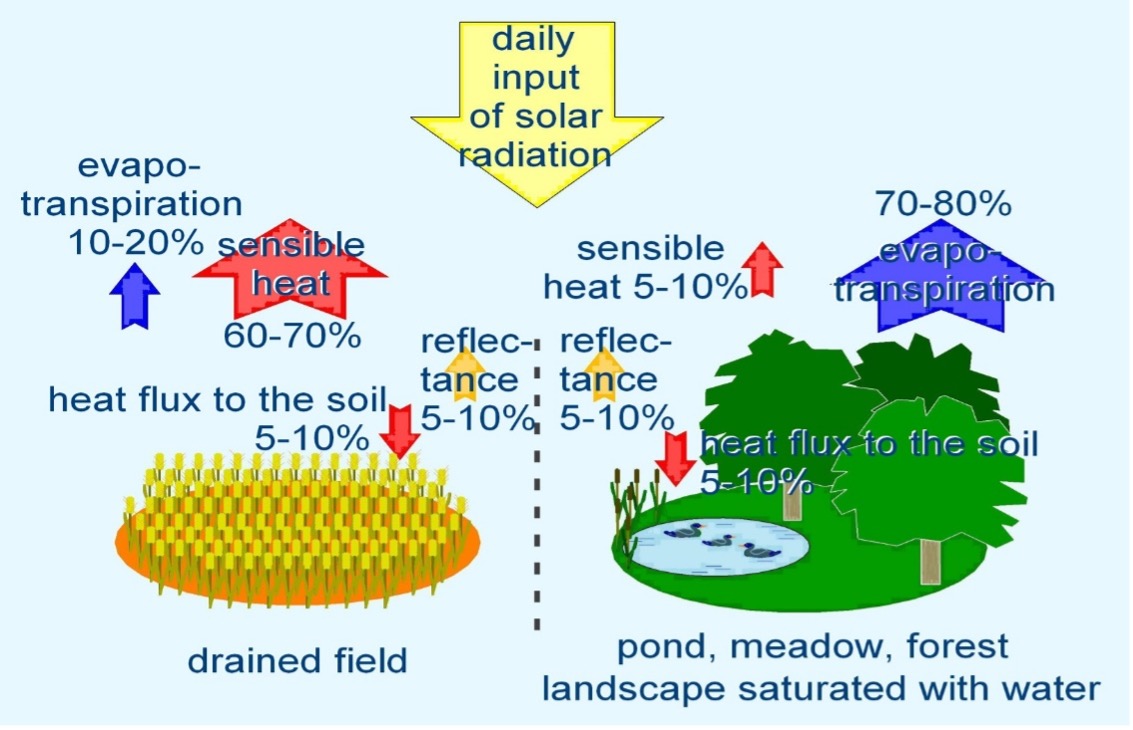
With water scarcity in ecosystems and soil, the sun’s energy transformation and carbon binding to biomass production decrease as the intensity of photosynthesis decline. This reduces the evaporation of water into the atmosphere through vegetation. As natural water vapor diminishes, the sensible heat production in the troposphere increases because solar energy can not convert to water evaporation, resulting in droughts and overheating the environment: a regional climate change.

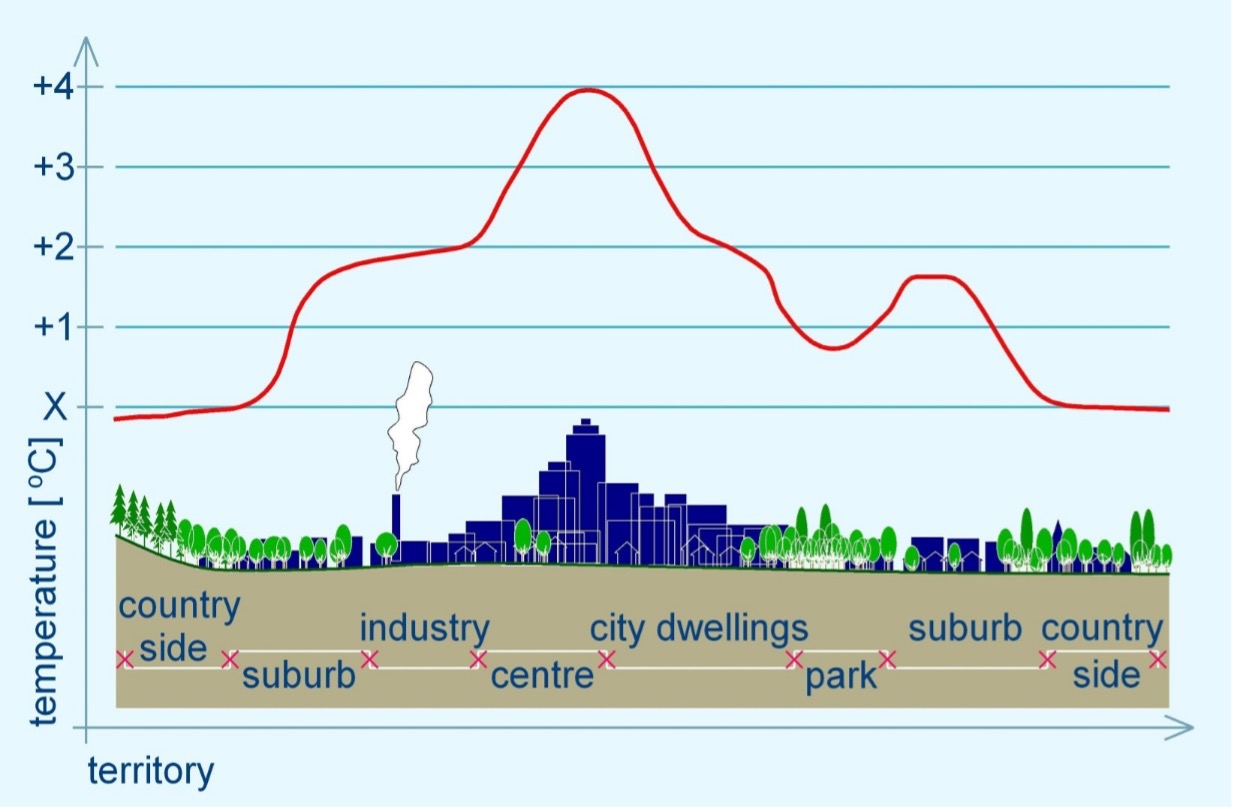
The urban environment with the most people (and sealed impervious surface, such as roads, parking lots, roofs) generates this sensible heat, producing thermal islands. Such is also the case in the Colorado Front Range Urban Corridor, where over 90% of the population resides. *The impermeable surfaces (drained field diagram) contributes to the thermal islands. Furthermore, unsuitable farming practices and golf-like lawns that do not allow rainwater to replenish the soil moisture and transform the solar radiation into latent heat act like a sealed cover. Prairies devoid of life cannot maintain the hydrological function of the watershed the way they used to. Water begets more water and life, just as biodiversity begets life. A few centuries ago, the prairies supported roaming bison herds, colonies of prairie dogs, and vast biodiversity habitats, including healthy soils with healthy mycorrhizal networks. Such ecosystem managed to hold water in the landscape. The rainwater retention and biodiversity were a conduit to a healthy watershed, recycling water through evaporation, transpiration cycles, and living creatures. Millions of beaver dams, prairie dog tunnels, and buffalo huff indentations helped to hold the water, recharge the water table and increase the soil absorbency by slowing the water down, sustaining the small water cycles, not droughts, and supporting more life. People can learn from the past. Urbanites and farmers can learn to retain the rainwater and invest in eco-restoration, which will help them fight droughts, fires, and floods. In the end, they would only benefit from a more healthy planet.

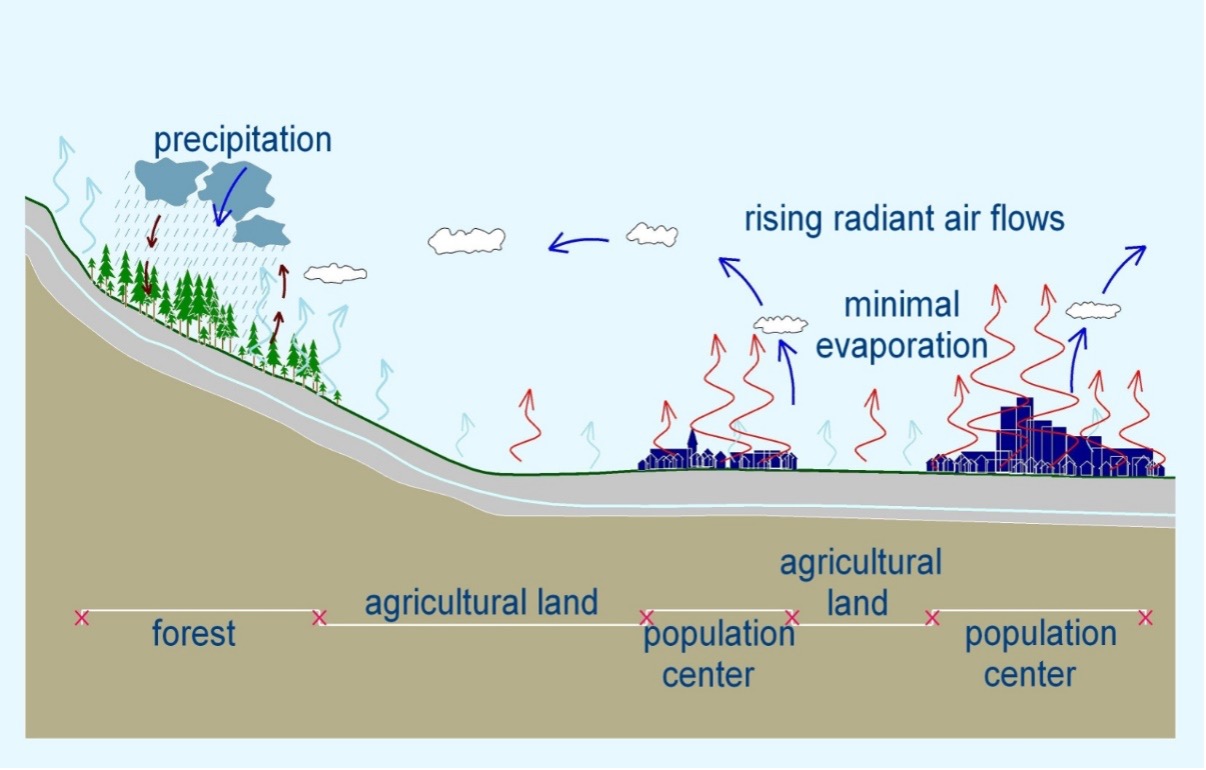
This heat island above the urbanized environment brings another phenomenon—a decrease in precipitation over damaged landscapes and an increase in precipitation in the mountains. Precipitation includes rainfall and horizontal precipitation, such as dew, etc., as we defined in small water cycles.

We know that the loss of natural water vapor by 1 m3 increases sensible heat production into an atmosphere by 700 KWh. By causing annual losses of more than 100 million m3 from the territory without the possibility of evaporation, 70 Terawatt-hours are released into the atmosphere annually. The entire Colorado economy does not consume this much energy in 4 years! This amount of energy affects the regional climate. The long-term droughts cause the entire area bordering the Rocky Mountains to overheat, which result in higher temperatures and lower evaporation.

Due to improper rainwater management, we estimate that summer temperatures have risen by more than 3 degrees Celsius. 

The heat domes cause higher temperature differences between the Rocky Mountains and the urbanized part of the plateau.  We already know the result.  The more extreme wind ensues, which may cause the toppled powerlines or grass fires in the parched country.

Suppose the change in water management on the principle of ecosystem rainwater retention does not change in the near future. In that case, the entire area under the Rocky Mountains will fall into the trajectory of decline, as is currently the case with California. Colorado will face growing extreme weather events and the final transformation of the territory into a desert.

Land alterations modify the hydrological regime of the watersheds and depress the small water cycles, limiting evaporation and lowering the water table. A new water paradigm shift is needed to restore the ecosystems, including human habitats. I repeat my recent statement: 

Drying the landscapes and ecosystems is humanity’s most significant crime. The Colorado fires were not caused merely by global climate change but by land alterations to the local watershed, resulting in regional climate changes and drying up of a landscape at the foothills of the Rocky Mountains.

One can comprehend that fluid loss in human health, and water imbalance in all ecosystems are similar. They have consequences for our planet’s health. The local climate conditions can be improved in Denver and any place globally. Integrated water and land management offer simple and successful solutions, but competent people, experts, and politicians must call for action and provide people with hope. So much is at stake! While we wait for new alternative energy technologies and carbon dioxide levels to decrease and use them as an excuse to continue degrading our land, we directly enable more damages to our farms and neighborhoods. Colorado urban fires were not an Act of God. They result from ecosystem degradation. Therefore, local and state governments must advocate for integrated ecosystem and watershed restoration, and stop drying the landscapes.  Rainwater is a gift.   

Author: hydrologist Ing. Michal Kravčík, CSc., Goldman Environmental Award Recipient
Contributing author: Ing. RNDr. Jan Pokorný, CSc.
Edit and translation: Ing. Zuzka Mulkerin
Photos: Google Earth. Diagrams: Michal Kravčík. A New Water Paradigm – water for the recovery of climate.


THE WINDOW OF OPPORTUNITY FOR CLIMATE CHANGE MITIGATION   IS TIGHT.

THE WINDOW OF OPPORTUNITY FOR CLIMATE CHANGE MITIGATION IS TIGHT.

A narrow focus can have critical implications for strategic decision-making in tackling climate change, such as droughts or flooding. 

Tons of paper have been written about the impact of increased carbon dioxide concentrations and other greenhouse gases in the atmosphere. Considerable amount of money has been invested in trying to find solutions. We know that CO2 has been growing in the atmosphere, especially since the 1960s. 

Mauna Loa’s graph clearly indicates the sharp rise in carbon dioxide in the second half of the last century due to advanced industrial human activities. Indeed, the increase in CO2 concentrations over 60 years has been unprecedented compared to the previous 10 thousand years! 

Figure 1: https://www.researchgate.net/figure/Last-10-000-years-6_fig2_339004772

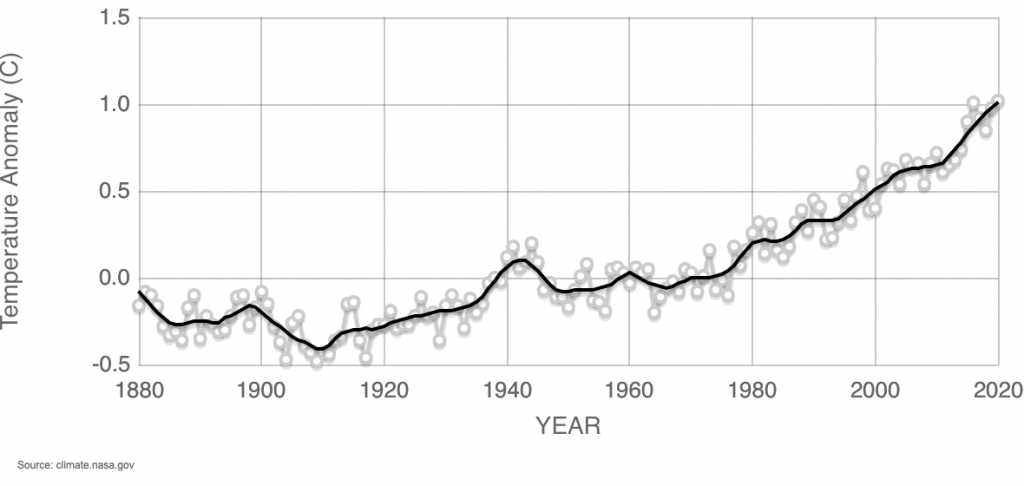
NASA records show the rise of global temperatures over the same period [Figure 2]. A narrow focus on finding an answer in tackling climate change can be costly. A question arises whether the increase in CO2 concentration in the atmosphere and the soaring air temperature is precisely the correlation that would unequivocally confirm Earth’s overheating.  

Let us look at another set of historical data over the last ten thousand years: the global and regional temperatures. Can we confirm that planet Earth’s temperatures remained relatively stable during the steady low carbon dioxide concentrations? This would most likely be confirmed if, during the last 10,000 years, the temperature in any corner of planet Earth remained stable while CO2 concentration in the atmosphere also did not change.   

Figure 2: https://climate.nasa.gov/vital-signs/global-temperature/

The unanswered question, then, is whether research exists that would monitor changes in temperature, precipitation, or other climatic characteristics on planet Earth in the long term?  

We know fully well that systematic global climate monitoring dates to the second half of the 20th century. Do we have the historical data for the longer term? Some methods show it is possible to get to know the climate even in ancient times, which could precisely characterize the condition of the environment even a few decades ago. One such method is an analysis of pollen grains because pollen is an indicator of the quality of the ecosystems. This method was used by Australian scientist Simon Eduard Connors of the University of Melbourne. He summarized his research in Georgia of the Caucasus in his scientific work “A Promethean Legacy: Late Quaternary Vegetation History of Southern Georgia, Caucasus.”  

Research confirms that the temperature in this region has changed in time and space, yet precipitation pattern has also changed over the last 14 thousand years. In those areas of Georgia that have been more economically exploited, not only have temperatures risen, but rainfall has also fallen. In inhospitable mountainous regions devoid of human activity, it is precisely the opposite: temperatures dropped, and precipitation rose.  

Those time and spatial changes arose long before the carbon dioxide concentration in the atmosphere began to grow. Similar time and spatial changes in precipitation distribution occurred in the 20th century in Slovakia because of land alterations. Wherever people settled and modified the land use, ecosystem transformations and drainage conversions often followed. That wouldn’t be the greatest sin if people allowed the rainwater to slowly soak in the ground and recharge the aquifers wherever they settled. Modern people value convenient farming, nice and dry dwellings, and roads, often forgetting that impervious surfaces do not allow water to rehydrate and sustain their environmental conditions. People drain their surrounding areas and discard water away because they do not make a crucial connection: water that falls from the sky has everything to do with what happens on the ground or in the ground. Rainwater sustains all biodiversity and vegetation, nurtures the soil, and therefore crops, allowing plants to transpire and cool the air and surfaces. Not connecting the dots, humans transformed the gardens of Eden into deserts, generating heat domes over cities and degraded farming land. In the last 60 years since the increasing concentration of CO2 in the atmosphere, modern humans have converted, damaged, and dried up more than 20 million square kilometers of land, which has lost its fertility and turned into a barren desert. The land use alterations modify different watersheds and their hydrology and are directly related to the increased CO2 concentration in the atmosphere. CO2, like water and the Sun, is an essential part of life. When less carbon dioxide is absorbed in the growth of vegetation through photosynthesis due to water scarcity in ecosystems, it remains in the atmosphere.  

Due to a lack of water in secondary precipitation in small water cycles, plants break down less carbon dioxide during photosynthesis, leaving more in the atmosphere.  

New Water Paradigm. Water for the Recovery of Climate.

The fact that science does not pay sufficient attention to the disintegration of small water cycles has dangerous implications for strategic decision-making in tackling climate change. We solve partial problems and do not solve the core issues. Why? Well, simply because we maintain the old water paradigm, where rain is considered an inconvenience, and in any activity, we try to get rid of it as quickly as possible. The history of Georgia’s old culture confirms this. We need to talk about the importance of rainwater out loud and start urgently enforcing a very simple but essential principle: WATER, GOD’S GIFT, IS NOT A WASTE, BUT THE ESSENCE OF LIFE AND SUSTAINS OUR VERY EXISTENCE. 

Author:  Michal Kravčík  

Please refer to my book chapter: Projects Implemented and Lessons Learnt from the New Water Paradigm, to read more about integrated water and land management.  The window of opportunity for climate change mitigation is tight.

Translation and edit: Zuzka Mulkerin 

Picture credits:  Myriams Fotos from Pexels,  Zuzka Mulkerin. 

How to effectively heal the climate?

How to effectively heal the climate?

An example of the recovery plan for the Košice region of Slovakia.

This Plan will contribute to creating 3 200 jobs and the annual sequestration of 6.6 million tons of CO2 to vegetation and soil, a yearly increase in the fertility of the agricultural landscape by €30 million, the restoration of dried water springs of 12,000 liters per second, an increase in latent heat production and the return of more regular rainfall, the formation of horizontal precipitation (dew), a decrease in the production of sensitive heat and the mitigation of atmospheric disturbances with a reduction in the incidence of weather extremes and flood risks, as well as an average temperature drop of 0.77 degrees Celsius. The projected return on investment in this program is well below ten years. Such a model can be implemented in all parts of the world, increasing climate, environmental, water, and social security.

A lot has been said about climate change. The scientific community perceives climate change as a consequence of human anthropogenic activity by increasing the concentration of CO2 greenhouse gases. Let’s compare the graph of average temperature growth since 1960 with the growth chart of atmospheric CO2 for the same period (Figure 1). We can see they are nearly identical, and there should be no doubt about the direct correlation of CO2 on the temperature regime of the country. Therefore, most scientists working on climate change models do not doubt anything else could cause climate change.

Figure 1

Are we asking the right questions?

Suppose we focus on the physical processes of the temperature regime of the planet Earth. In that case, we need to consider all impacts on climate change and examine water as the most abundant greenhouse gas.

There are at least two laws of physics that offer a different explanation for the anthropogenic impact of humankind on climate. The law of conservation of energy and the second law of thermodynamics look beyond CO2 as the primary driver of climate change and offer answers.

Figure 2 (next page) explains how solar radiation transforms when it hits the Earth’s surface.Provided there is enough water in the ecosystems, a significant part of the Sun’s radiation is absorbed through evaporation and the ongoing transpiration of water through the vegetation during intensive photosynthesis. Up to 70-80 percent! The remaining solar radiation will contribute to soil heating (5-10%), reflection (5-10%), and warming of the troposphere (5-10%). It is worth noting that the evaporation of one cubic meter of water consumes 700 kWh of energy from the Sun. According to the law of conservation of energy, solar radiation is transformed into latent heat, which is carried by the evaporated water to the colder layers of the atmosphere. The evaporated water condenses in colder layers and forms clouds. At the dew point, rain forms, and latent energy is released into the atmosphere and warms it per the energy conservation law mentioned earlier.

Suppose we damage the existing lush ecosystems, drain and cause the landscape to dry up, or cover and seal it with impervious surfaces. In that case, we disallow the rainwater to permeate into the soil, and the natural evaporation will decline. In other words, the Sun’s energy absorption will decrease when the water evaporation decrease. In such circumstances, less water evaporates, and fewer clouds form, causing more sunlight to reach the Earth’s surface. With the decrease of natural evaporation from the degraded area, the production of sensible heat, which accumulates in the troposphere, increases, and the environment overheats and creates a thermal island (heat dome).

It’s a unique biotic pump that has been drawing the heat from the troposphere for thousands of years, like a car engine radiator. It works unless the radiator breaks down. Let me explain. What happens if the existing balanced ecosystem holding an abundance of water gets damaged and dries up? What happens when a degraded ecosystem offers no water to evaporate from the landscape? If we “dehydrate” a balanced ecosystem, the sunlight absorption on the water vapor can drop to zero. What happens to the incoming solar energy, then? The water vapor cannot result from evaporation and plant transpiration and is absent in such a case. If solar energy is not transformed into water vapor, it is transformed into sensible heat, overheating the troposphere, and generating heat islands (heat domes).

Figure 2

The left side of Figure 2 tells of a landscape in which we have made holes through and drained water from an ecosystem. (Like when a car radiator gets pierced). Therefore, less water evaporates from the Earth, less energy gets transported to the colder layers of the atmosphere, and even fewer clouds form in the sky.

As a result, more sunlight reaches the Earth’s surface. It transforms into more sensible heat that accumulates in the troposphere over those arid parts of the Earth.  In this way, heat islands (heat domes) are formed, overheating the landscape, especially in cities, and in poorly managed and drained agricultural land.

For a better understanding, I offer a heat distribution scheme in two environments (Figure 3). There are more clouds in the sky in an environment where there is plenty of water (left part of the picture) because more water evaporates from the ground. Through the clouds, less sunlight enters the troposphere. At the same time, less sensible heat and more latent heat are produced from the incoming sunlight on the Earth’s surface as more water evaporates from the soil.

Figure 3

The right side of the picture talks about dry land. Less water evaporates from the ground, less energy is transported to the colder layers of the atmosphere, and even fewer clouds form in the sky. As a result, more sunlight reaches the Earth’s surface. It transforms into more sensible heat that accumulates in the troposphere over those drier parts of the Earth.

During the condensation of evaporated water vapor in the atmosphere, clouds form, which reduces the permeability of solar energy through the clouds and alleviates the overheating of the atmosphere below them.

The solar radiation that does not get reflected but penetrates the clouds is absorbed by the vapor (blue arrow) when it hits the Earth’s surface. The solar energy that is not consumed by the vapor is converted into heat (red arrow) and heats the above-ground atmosphere (troposphere). 

In a landscape with enough water, solar energy transformation by the vapor is dominant (blue arrow), as liquid water molecules are available to consume the incoming solar radiation and change the state from liquid to gas. In a landscape where soil moisture is low, the unabsorbed heat transforms into sensible heat. It overheats the ground layers of the atmosphere (red arrow).

According to the second law of thermodynamics, the converted solar energy is transported by the evaporated water to the colder layers of the atmosphere and heats them. This reduces the temperature gradient between the ground and upper layers of the atmosphere, preventing the growth of weather extremes. 

Let’s look at a city like Budapest, Hungary. Before the people of Budapest developed its land with buildings and roads, the rainwater would evaporate, and saturate the ground, supplying the vegetation and groundwater aquifers. These days, at least 100 million m3 of rainwater collects annually in the regulated drainage infrastructure and empties to the Danube River. In the past, this water would evaporate into the colder layers of the atmosphere. Instead, more than 70 TWh of sensible heat per year is now released from this territory into the troposphere. Therefore, summer temperatures have been 3-5 degrees Celsius lower in the past. Interestingly enough, the Hungarian economy utilizes 70 TWh in 1.5 years (Hungary’s total energy consumption in 2018 reached almost 46 TWh – to be verified).

On this principle, we have developed a Green Restoration Plan for the Košice Region of Slovakia, which was approved by the Košice Regional Parliament on 19 February 2021. It is an integrated landscape and watershed program that will benefit several, providing a roadmap for ecosystem restoration. The Plan’s implementation will increase the water retention capacity of the damaged landscape of the Košice Region by 60 million cubic meters with a total cost of 400 million €.

COP26

COP26

WHY DON‘T WE TACKLE CLIMATE CHANGE EFFECTIVELY?

The debates on climate change are not going away. The COP26 climate change summit has begun in Glasgow, and the key discussion is centered on limiting CO2 emissions. However, everyone agrees in unison that manifestations of climate change spin around the water. Extreme torrential rains, floods, droughts, food insecurity, rising ocean levels that bring climate risks are associated with water.

Sufficient water is vital for humans and all ecosystems. Water is the key to everything, therefore also to climate protection and consequently global security.

How come that there is no life on Mars or the Moon? Even though there is CO2 in their atmosphere, there is no liquid water to support life. Since there’s water on planet Earth, there’s photosynthesis. For photosynthesis to occur intensively, we need energy (we get it from the Sun) and CO2 (we have it in the atmosphere), and water, which is present on the Earth’s surface and in the soil.

Soil moisture supports life if humans do not alter the watersheds, draining the rainwater and sending it out to the sea, regulating the streams into straight concrete river highways.

The abundance of water on the land is provided through the process of biomass production during photosynthesis. These natural resources ensure the existence of all life and cultivate civilization by accumulating capital through the development of technology. The wealth of society multiplies when humans manage to spread information.

I label this process a water rotor. It permanently needs ample water to function effectively, and this water is supplied by rain. If we limit rainfall accumulation in the water rotor, its functionality slows down and ceases to produce natural resources.

It’s a fact that water can’t be lost from planet Earth. Unfortunately, there is always human error and a lack of understanding. Anthropological land-use changes altered the hydrologic cycles.

Humans altered the watersheds to develop large industrial and agricultural practices that require extensive soil drainage. If they limit rain infiltration into ecosystems, people need to realize that water is lost from water rotors.

Instead, heavily regulated streams speed the drainage of the watersheds out to the sea, and the rainwater accumulates in the rivers instead of ecosystems, causing floods and droughts.

That’s one of the reasons why our ocean levels are rising.

Over the past 60 years, we have damaged 19 million km2 of ecosystems where the functionality of the water rotor is completely failing.

If there is enough water in ecosystems, photosynthesis runs at full capacity, and there is enough food for humans, biodiversity, and even for the climate. Why?

Through biomass, water evaporates into the atmosphere. It prevents heat accumulation near the Earth’s surface because evaporated water transports the water vapor in latent heat from the troposphere to the cooler layers of the atmosphere.

To add it all up, if we want to address the climate change consequences, we have nothing left but to restore water rotors at the root of the damages. We need to increase the global water capacity of continents by more than 700 km3.

Suppose we will increase carbon storage in biomass by 10 billion tons per year within the next ten years. In that case, we would reduce the atmospheric CO2 concentration by the end of 2050 to the levels comparable to 1960.

Are we solving the right problem when we address the climate change? A lot is at stake! 

Why are we focusing on a solution that does not provide enough water for people, nature, food, and climate?

Author:  Michal Kravčík

Translation: Zuzana Mulkerin

October 31, 2021

The original article was published in the Slovak language, in 2019

Your content goes here. Edit or remove this text inline or in the module Content settings. You can also style every aspect of this content in the module Design settings and even apply custom CSS to this text in the module Advanced settings.

SIM4NEXUS

SIM4NEXUS

Rainwater retention is a driving force of climate-resilient landscapes.

There are many misunderstandings about the causes of climate change, and there is an urgent need not only to discuss but also to act.

The majority of existing climate models do not take water and all of its stages into account.

SIM4NEXUS project (www.sim4nexus.eu) examines the mutual correlation between changes in the water cycle, a carbon cycle, the development of weather extremes, and CO2 in the atmosphere. Sim4nexus is the German-Czech-Slovak cross-border cooperation project.

The model’s left side talks about applying sectoral principles in rainwater management in the forest, agricultural and urban landscapes.  With the sectoral focus, rain is a nuisance that needs to be eliminated quickly, and individual industry sectors design their infrastructure for drainage.

The rainwater management designed for drainage causes reduced evaporation from ecosystems, overheating the countries with the accumulation of CO2 in the atmosphere and the permanent water stress for people, nature, food supplies, and climate.

This model brings economic, social, environmental, and climate collapse in the long run. The old water paradigm has dominated since the Industrial Revolution, and it is no longer sustainable as it degraded the landscapes and watersheds,  thus altering hydrology.  We need to apply integrated rainwater land and watershed solutions.

By applying a holistic, i.e., an integrated model of rainwater management, people understand that rain embodies the essence of the life that we need to keep in the forest, agriculture, and urban areas to reduce rainwater runoff from ecosystems.

The new water paradigm will result in an abundance of water for people, nature, food, the economy, and a healthy climate.  There are significant additional benefits to retaining rainwater in the ecosystems: the occurrence of more frequent moderate rains, fewer extremes in the weather, reduced overheating of the landscape, abundance of photosynthesis, plenty of food for all, fertile farmland with a gradual reduction of CO2 in the atmosphere and satisfaction for all.

All these contexts should be urgently reflected in research, which unfortunately lags in the field of water and climate knowledge.  Unfortunately, changes in the water, carbon, and climate cycles are faster than science can reflect.  It is time to act.

My conclusions are based on my 30 years of experience in hydrology and groundwater supply recharge. This is my modest contribution to a debate involving the mutual context of changes in the water, carbon, and climate cycles.


Author:             Michal Kravčík

Translation:      Zuzana Mulkerin