Big Sur Area Landslide and Water Paradox

Big Sur Area Landslide and Water Paradox

Big Sur Area Landslide and Water Paradox
How can a new water paradigm reverse extreme weather events such as the Big Sur area mudslide? Paradoxically, the last week’s precipitation whiplash was caused because the Golden State is running out of water.

The flash floods and mudslides caused a collapse of the iconic Highway 1 in California. Why are California, Australia, Syria, or Spain dry and getting drier each year? Why do they and the rest of the world get heatwaves and soaring temperature records each summer? In looking for answers, it is hard to overlook the fact that their rivers are running dry.  

Just a few months ago, devastating wildfires in California and Australia caused enormous damage to these ecosystems and surpassed astronomical financial losses.  

According to a recently published study published on January 12th, 2021 in AGU (Advanced Earth and Space Science) Journal and another research paper published the previous year in Nature Climate Change, California’s rainy season now starts a month later than it used to. Why? 

The reason is spatial and temporal precipitation distribution.  Yale360 wrote about it just a few days ago. Why are their watersheds losing water? 

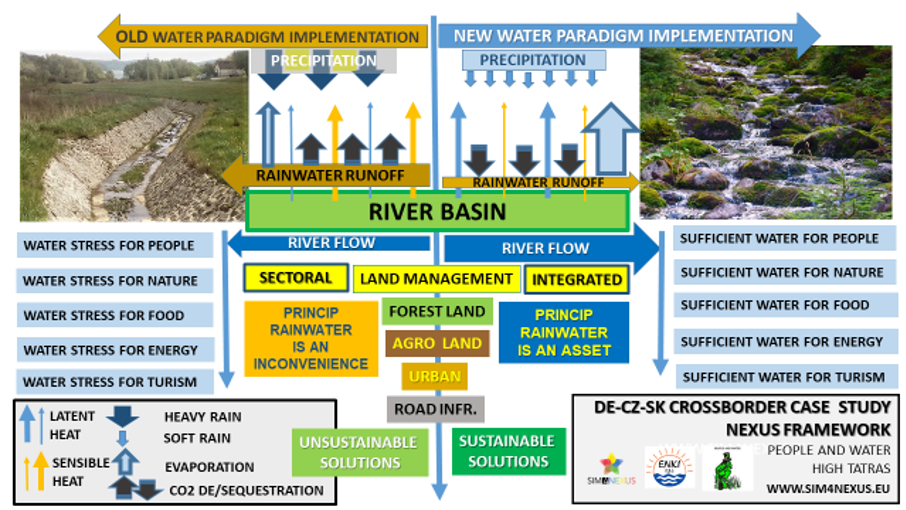
The current water management paradigm focuses on treating rainwater as a waste to be discarded as soon as possible. The snowmelt does not feed the water streams but washes out to the ocean instead. The old ways are hard to break. Is the lack of common sense leading to a collapse of a thriving economy? Allow me to explain California’s extreme weather patterns, as I described to my friends during my visit to the Big Sur Area in April 2017, coincidently around the corner from the current road damage.
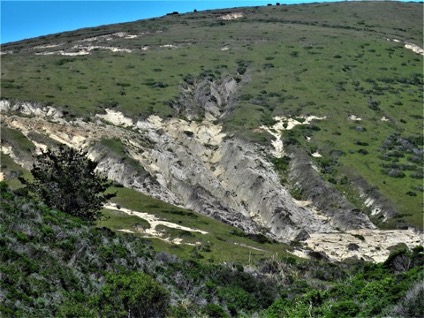
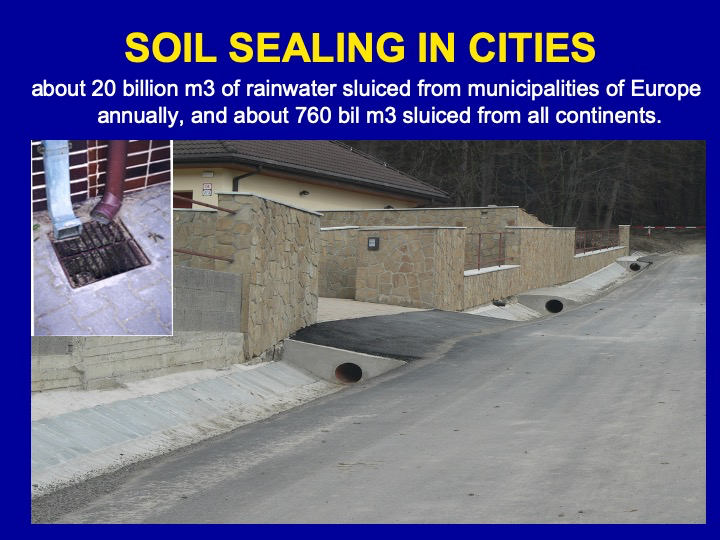
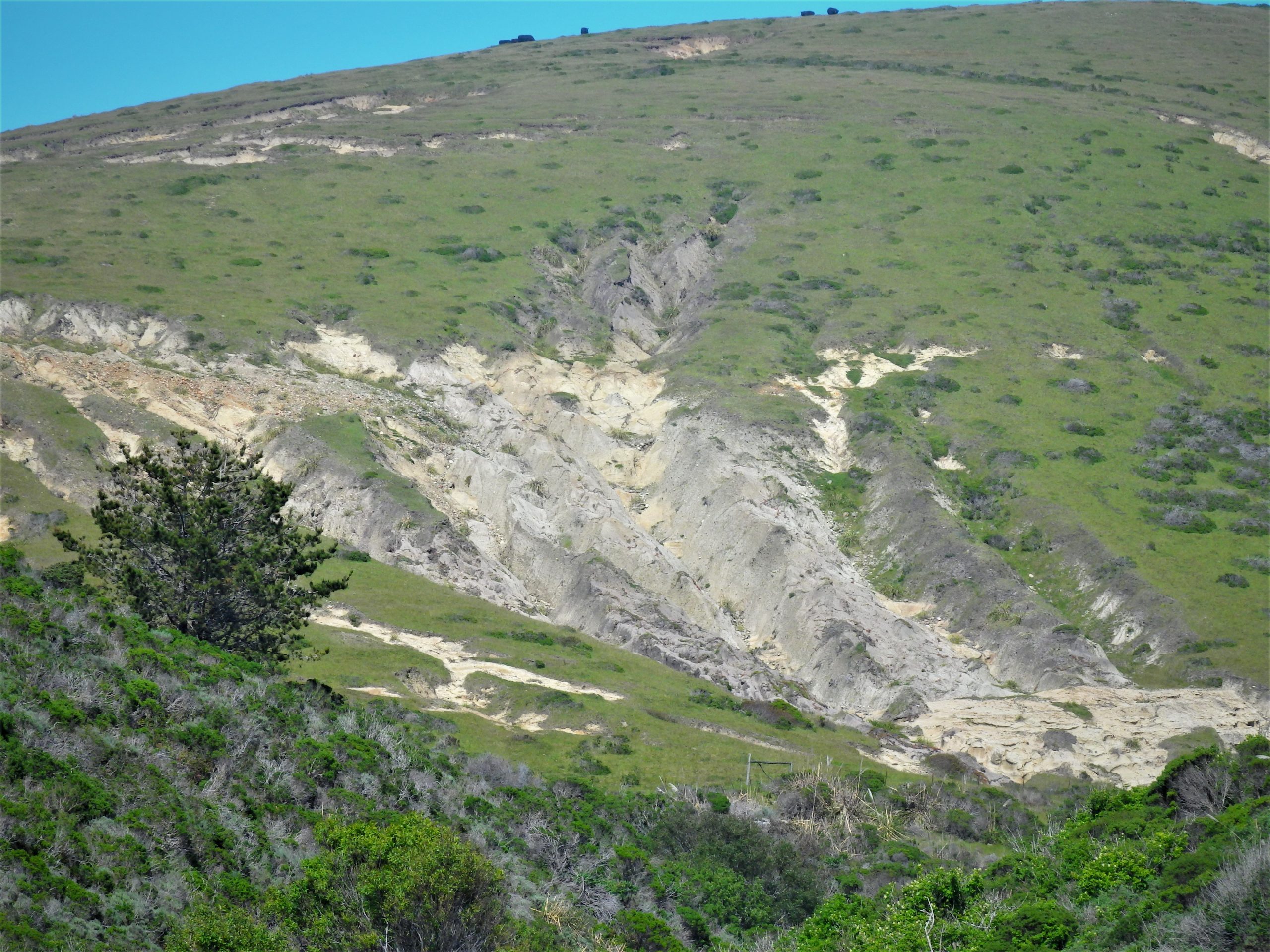
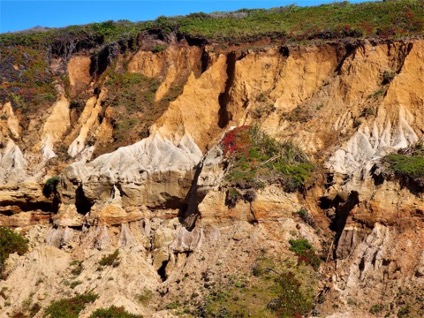
Runoffs accelerate soil erosion and landscape metamorphosis.

The primary problem is the extension between the periods of dry weather and a subsequent influx of torrential rains. The pace and intensity of violent storms and dry periods seem to be increasing worldwide, too. As heavy precipitation now drenches the coastline, it is paramount to see the correlation between the rainy and rainless seasons. Both extremes are persistently getting more severe. 

A new water paradigm shift is needed to understand rainwater as a vital part of our ecosystems. May I dare to say that rainwater is indispensable for both urban and rural existence? Small water cycles (secondary precipitation) replenish the thirsty aquifers, recharge the low groundwater levels, and bring life to dry riverbeds. 

On January 29th, Spanish-based water management policy consultant Annelies Broekman discussed the water and environment at the World Social Forum 2021. The data show a high level of desertification in watersheds around Madrid. Desert is asserting a claim to southeast Spain. Many experts recommend introducing and cultivating drought-resistant crops, requiring less water conservation as a strategy to adapt to global climate change. 

The question is: Does planting drought-resistant crops help to mitigate the extreme weather patterns?Developing an innovative approach and improving water-efficient irrigation is undoubtedly a necessary step. Is it sufficient? Both weather extremes are persistently getting more severe. 

Somehow we all ignore the cause and effect. 

There is often an underlying human-made element inserted between droughts and floods. 

People forget that it is during the rainy season that they need to provide for times of drought. Plenty of water can be stored and retained. To prepare for the rainless season is to think about water while it rains. 

How do you get ready for droughts?

Water should be allowed to stay where it falls. 

When a lot of water falls in the form of rain, people feel inconvenienced by it and open the quickest drainage and sewage passages to eliminate the excess water. People don’t even call it water anymore. “Runoff” is a new world. Does not life depend on water?

We forget that the more rainwater is drained away and out to the sea (it the neatly built concrete waterways), the less water will stay in the region, and the less precipitation we can expect.  

Unlike temperature, rainfall is spotty and local, heavily influenced by the terrain and the volume of water in the atmosphere. 

Over the centuries, people developed a negative attitude to the muddy puddles after rain. It is a wide misconception that rainwater is unpleasant, and it needs to be discharged. Come to think of it, snow is a very inconvenient element in our urban cities and roads as well. 

By cutting the water off, we are cutting the veins of the most vital part of our ecosystems. We are bleeding the water basin. We are draining and wasting precious resources. We are bleeding the small water cycles necessary for the local precipitation. What is a small water cycle? Perhaps it can be explained by the old adage: what comes up must go down, evaporate, and repeat. If we discard the stormwater, it has flows to the nearest river and eventually to the ocean. And then it comes back with a vengeance. As a part of a large water cycle. Because the old water paradigm disrupts the small water cycles.

In another significant weather event recently, Madrid received the highest snowfall in fifty years. This week the winter temperatures reach mild ten degrees Celsius and are projected to climb higher to balmy 59 F. What happened to the melted snow? The snowmelt was met with the same destiny as the 15-inch rainfall in Big Sur. Considered an expendable excess and useless resource, Madrid’s snowmelt and California’s rainfall rushed to the sea, causing damages. 

A valuable freshwater resource was met with an ill fate.   

California, Spain, Slovakia, and all the countries worldwide need to understand that rain is a gift that needs to be treasured and retained where it falls.  

We need to accept the new water paradigm. Only then will the temperatures be sustained, mild rains will enjoy the comeback with consistency, and the climate will become more stable. People will enjoy gentle rain showers with regular frequency, as in the good old days of Farmer’s Almanac. It will rain less, but regularly. 

Fighting the water scarcity with retaining more water locally is the answer to droughts and floods prevention. 

There are elegant alternatives for dealing with runoff in urban environments. The integral water and land management practices exist as alternatives to ill-designed agricultural methods with no room for rainwater.

There will be plenty of water for food production in Spain. Violence storms will not be causing mudslides and eroding roads in California or Norway. Australian farmers will not be ruined by the fear of water shortages for their thirsty cattle. The wildfires will not have a chance to get re-kindled if there is enough moisture. The need for emigration will not be present in the countries with a sustainable food industry. Because where there is access to sufficient water supply, it is easier to grow food. 


Ing. Michal Kravčík, Ph.D. in hydrology

-Goldman prize recipient, 1999

Ph.D.Thesis: Numerical modeling of drainage channel systems in the East Slovakian lowlands. 

About the author:

https://radius.mit.edu/programs/global-action-restoration-natural-water-cycles-and-climate

Translated by: Zuzana Mulkerin
 

Carbon sequestration through soil and biomass: our best greenhouse mitigation chance

Carbon sequestration through soil and biomass: our best greenhouse mitigation chance

Carbon sequestration through soil and biomass: our best greenhouse mitigation chance

Photo by Daniel Watson from Pexels

Climate change is continuously described as a carbon dioxide production increase in the atmosphere. Narrowing climate change interpretation to CO2 mitigation creates pressure on ordinary citizens to feel guilt for not reducing their own carbon footprint. The problem is, “carbon dioxide is a global pollutant that can’t be locally contained.”

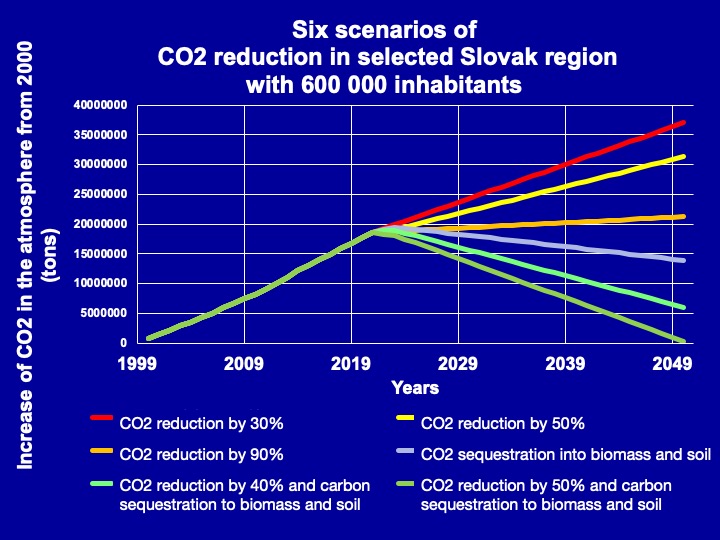
Therefore, I decided to play with the numbers and plot the information on the graph. I have outlined the historical data and forecast of carbon dioxide production of a specific region in Slovakia, which produced 19 million tonnes of CO2 over the last twenty years.

Then I asked a question. What needs to be done by all the world regions to get back to the CO2 levels of year 2,000? The carbon dioxide levels of year 2,000 carried 360 ppm per each cubic meter of air. Climate scientists try to restrain the global atmospheric CO2 levels under the symbolic threshold of 400, which serves as a red mark in a danger zone.

The wonder of wonders. Not one of the CO2 reduction graph scenarios shows that we can stop the carbon dioxide growth within the next 30 years, despite employing clean technologies and alternative energy.

            Even if we invent miraculous alternative technologies that would mitigate CO2 production by 90 %, the concentration of CO2 in the atmosphere will climb over the next 30 years. Furthermore, none of the zero-carbon technologies are advancing swiftly enough.

What does it mean? The current concentration of 420 ppm CO2 will rise by another 63 ppm by 2050. Climate scientists understand that number 483 presents a catastrophic threat, yet at the same time, they want us to believe that zero-carbon technology pursuit is the way. We know that CO2 levels are steadily rising regardless of the emission reductions, yet the prevailing focus on emissions and carbon tax remains our primary toolbox instruments. “Earth’s climate sensitivity refers to the amount of global warming that will occur due to increases in atmospheric CO2 concentration. It is a question that does not yet have a clear answer.”

Other atmospheric research models of the global carbon cycle also suggest that the Earth will “absorb less CO2 out of the atmosphere as the climate warms, worsening the warming problem. Even if greenhouse gas emissions were halted immediately, we are committed to an inevitable global warming result because of these gases already present in the atmosphere”. This is called “climate commitment.” Past carbon emissions have committed us to present global warming numbers because they leave the atmosphere very slowly. 

Our current climate change defense rests on an inadequate assumption to merely reduce emissions. Our best chance to start decreasing the CO2 in the atmosphere is to capture the carbon through the vegetation and soil. 

The question is, how to achieve carbon sequestration? Well, if we manage to retain the rainwater in the region where it falls, we will promote more intensive photosynthesis. Thus, more carbon will remain stored in the vegetation and inside the soil by plants’ roots.


The trees in the forest will grow better, fields and meadows will produce more food for people and animals and support more biodiversity. Soil carbon storage is an essential ecosystem service. Human pursuits modifying these processes can lead to carbon loss or improved storage.

Moreover, the 2050 carbon target to dip below the year 2000 levels will be feasible, provided the regions will set up a goal to restore and rehydrate their watersheds within the next decade.  

There is a need to construct a system of the “water holding catchments” dispersed throughout the region, managing to retain rainwater from simple precipitation or regular rainfall cycles. 

The aforementioned Slovak region needs to capture the 30 million cubic meters of precipitation they apprehend and dispose of with drainage. Restoration of their depleted ecosystems will capture the carbon by 50%!  The collected rainwater is an ally that can rehydrate the country and lower its CO2 levels. That’s how they will achieve a zero-carbon footprint. Every region in the world can do that.

In other words, rainwater should not be treated like the enemy that drenches the urban or rural environment. The collected rainwater can be an ally that can rehydrate the country and lower its CO2 levels.

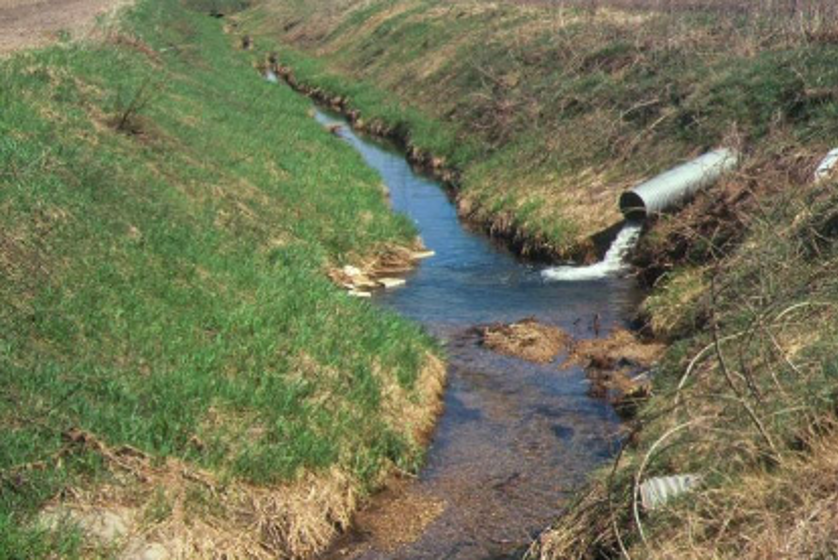
Photo credit: ak chcete fotku, tak uviest photo credit dole: University of Minnesota Extension. To dowlowad: https://extension.umn.edu/agricultural-drainage/how-agricultural-drainage-works 

Why is it desirable to achieve a zero-carbon footprint by capturing carbon in the soil and vegetation? 

Suppose enough carbon is sequestered, and emissions are subdued. In that case, the CO2 greenhouse effect will be decreased in the future, resulting in fewer heatwaves and less drought, floods, and other extreme weather cycles associated with climate change. The development o land fertility and economic stability are also closely related to CO2 sequestration. 

The country that supports its ecosystems’ restoration will improve the quality of life and food security for its residents. The people will not desire a better lifestyle elsewhere. Supporting local communities discourages the emigration and brain drain of its best people. They will be proud of their country and proud of their nature.  

The administration management response is critical. Climate change risks like floods and droughts may suggest to taxpayers and policymakers that collective effort and attention to science matter. Hydrologists and atmospheric science offer solutions. Carbon pricing to reduce emissions is still a long shot. We do not have that much time. Removal of CO2 by soil and biomass carbon sequestration via landscape rehydration will mitigate global warming.  Stabilizing the economy will place clean energy back on track.

Author: ©2020 Michal Kravčík

Translated by: Zuzana Mulkerin

Photo Credit: Michal Kravčík, Extension.unm.edu, People and Water International

More information:  People and Water ,  New Water Paradigm  (in English), After us, the desert and the deluge? (in Korean)

Other related research: Sequestration of atmospheric CO2 in global carbon pools: 

 “Terrestrial carbon sequestration on the natural process of photosynthesis. Transfer of CO2 into the biotic pool and soil carbon pool via humification and secondary carbon formation has numerous benefits by enhancing ecosystem services. Soil C sequestration is essential to improving soil quality, increasing agronomic input efficiency, and advancing world food security. It is also needed to enhance water quality by filtration and denaturing pollutants and improving biodiversity by the nature conservancy. Soil carbon sequestration is a low hanging fruit and a bridge to the future until low carbon or zero-carbon fuel sources take effect.”

————-

Photo by Lerkrat Tangsri from Pexels

Where to Find Water That Would Extinguish California Fires?

Where to Find Water That Would Extinguish California Fires?

Where to Find Water That Would Extinguish California Fires?

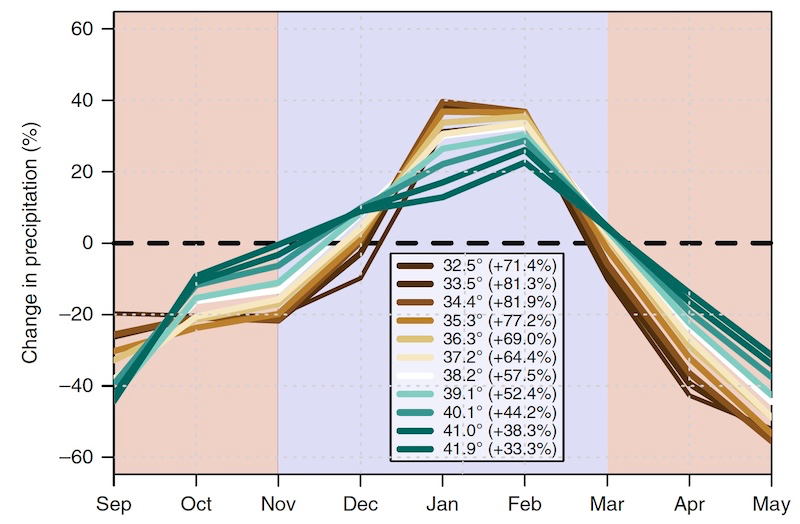
Image credit: From Swain et al., “Increasing precipitation volatility in twenty-first-century California,” Nature Climate Change 2018, courtesy of Nature Publishing Group.

Will the lack of common sense lead to a collapse of successful economy?

California’s economy is one of the ten largest economic powers in the world. In addition to Silicon Valley and Hollywood industries, its success is based on agriculture, which operates on systems of hydroelectric dams and the distribution of water flowing from them to support California’s agricultural needs. It is hard to predict how long this system will last. Climate experts say it will be strained by the end of the century. Is that the case? Is it possible that it might collapse within the next decade?


A historically most extensive and longest-lasting drought is still a fresh memory. We have recently heard about a skyrocketing 130 Fahrenheit temperature in the Valley of Death (+55.4°C). At the same time, large-scale fires have ignited all over California. What is next? After the highest temperatures on record, should we expect another adverse extreme? Apparently so. According to a study published in Nature Climate Change, drastic opposites are predicted in the near future. Precipitation distribution models for individual California areas provide evidence that a 25% to 100% increase in extreme dry-to-wet rainfall events will ensue in a business-as-usual scenario.

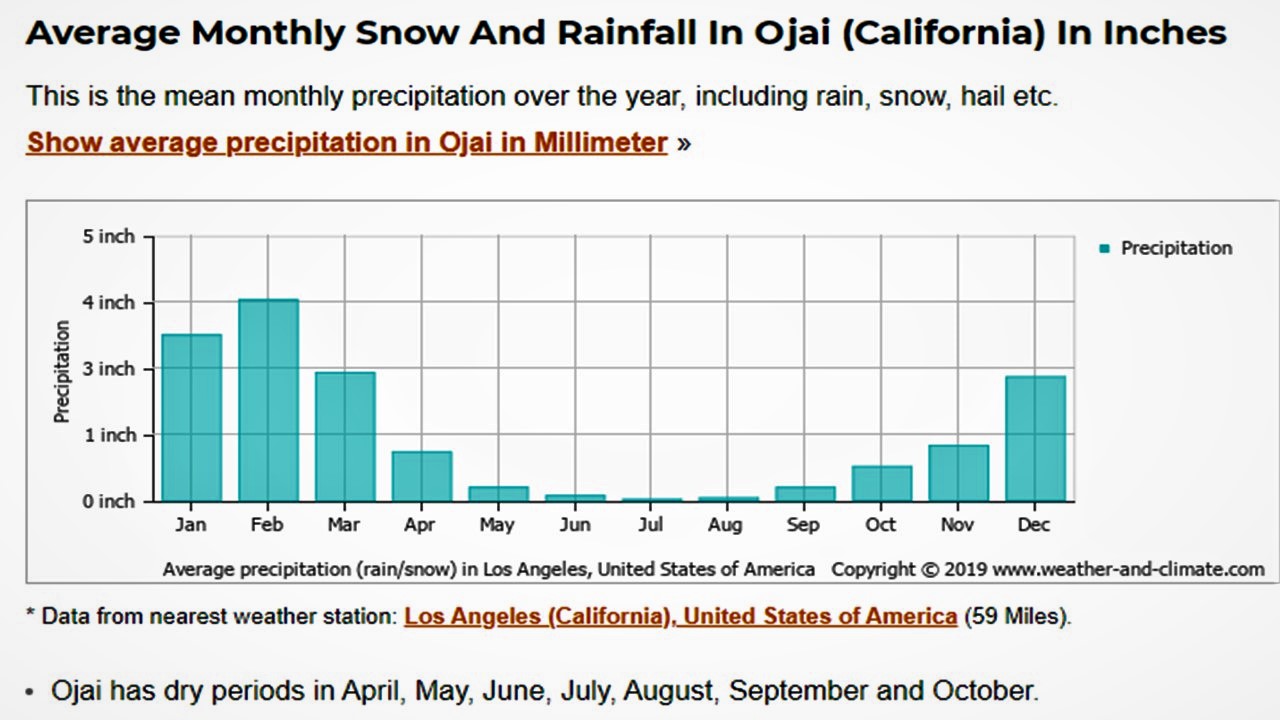
These models reveal that precipitation distribution frequency rises from 33% in the north to 71% in the south of California. Please note the changes to a timeframe as well. There is a dramatic precipitation decrease from March to November. However, we can see a dramatic precipitation increase over just two months (January and February).

What does that mean? The rainy season will bring volatile precipitation that will likely result in catastrophic flash floods. On the other side, water scarcity in the atmosphere means that not one drop of rain will come during the extended summer. The currently occurring dry season without any rain will extend to periods three times longer. The droughts beginning in April will become a norm, and we can expect them to last until October. No rain in sight for half a year!  In other words, from one extreme to another. The drought and fires closely relate to these extremes. The lack of precipitation induces drought and fires.

Where should we look for the leading cause of such change? Simply, in watershed depletion due to a runoff canalization. i.e., runoff drainage infrasctructure. My team and I coined the term Disruption of small water cycles in the New Water Paradigm. What does it mean? The more rainwater runoff gets disposed of in the rivers and out to the sea, the less water gets recycled in the small water cycles, which results in less evaporation and, subsequently, less regional precipitation. 

California’s dependence on large water cycles is a consequence. The rain accumulated from the large water cycles arrives in California during the winter months. That is when the production of the sensible heat from the dried-up terrain is the lowest, and that allows the Pacific frontal systems to enter the inland, where they condense and cause volatile precipitation and intense downpours. 

Springtime brings the change—the production of sensible heat in the atmosphere rises due to severe depletion of watersheds and dry soil conditions. The intensified sensible heat prevents the atmospheric frontal systems from bringing the Pacific Ocean’s moisture inland. In other words, the more heat is in the atmosphere, the less efficient is the biotic pump that draws the moisture inland. By drying out California’s landscape, this impact is widening and multiplying.

Depleted watersheds and dried-out land contribute to soaring temperatures, spreading fires, and precipitation distribution volatility. CESM Community Earth System Models’ findings, which we mentioned above, affirm small water cycles’ function in the New Water Paradigm.


How to abate the extremes? 

The answer lies in the restoration of small water cycles. The recovery of rainwater runoff will replenish the critically depleted underground water resources. Recycling water in the local ecosystems will ensure the revitalization of the watersheds and river basins. 

Suppose California people learn the importance of rainwater runoff retention in the local ecosystems, instead of draining it to the Pacific Ocean. In that case, they have a chance to avert the collapse of their economy.

During my visit to California in 2017, I have seen a platitude of unfortunate solutions, despite various civic groups’ attempts and initiatives. 

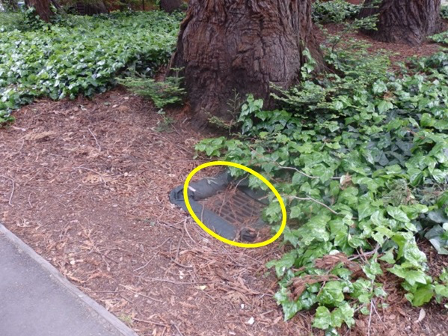
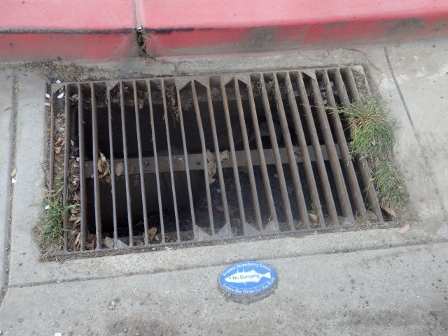
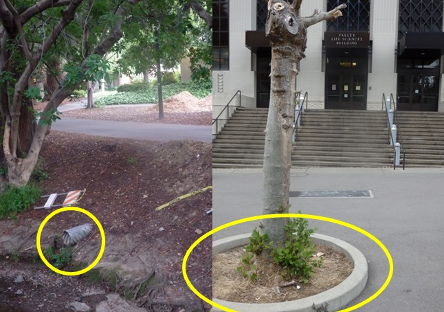
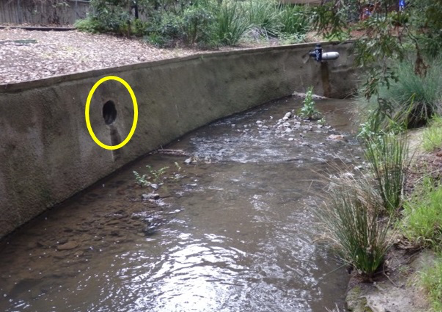
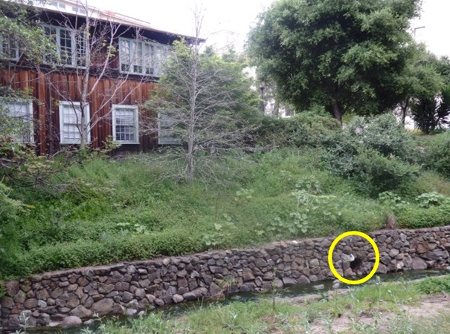
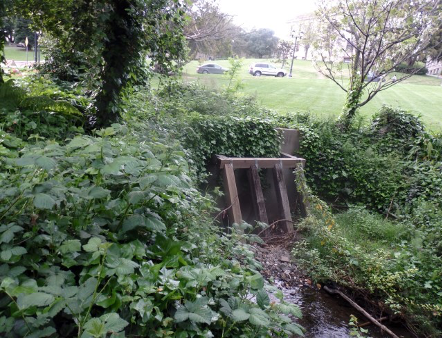
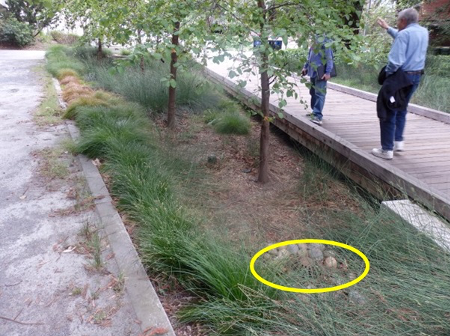
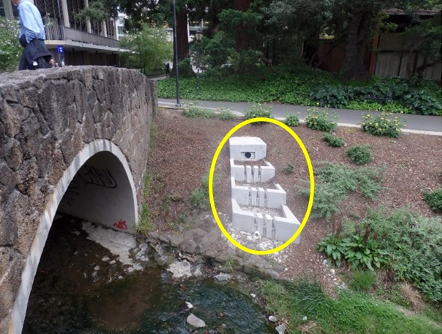
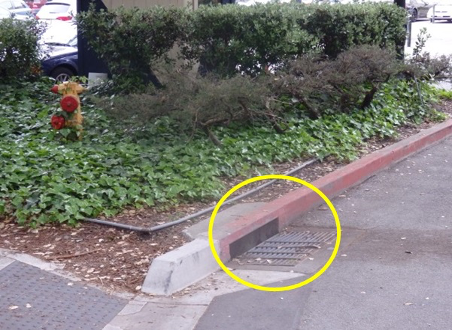
I remember leaving the Climate change conference at UC Berkley and walking throughout the university campus. Please see the pictures below. The conference focused on global warming mitigation and CO2 reduction. The role of the most potent greenhouse gas, water vapor, is ignored in climate change discussions. As a hydrologist, I could not help but notice the profoundly misjudged rainwater management at the campus, where they allow the small water cycles to bleed out. The scholar and academic community do not heed the climate warnings and allow the mistakes to happen in front of their eyes. 

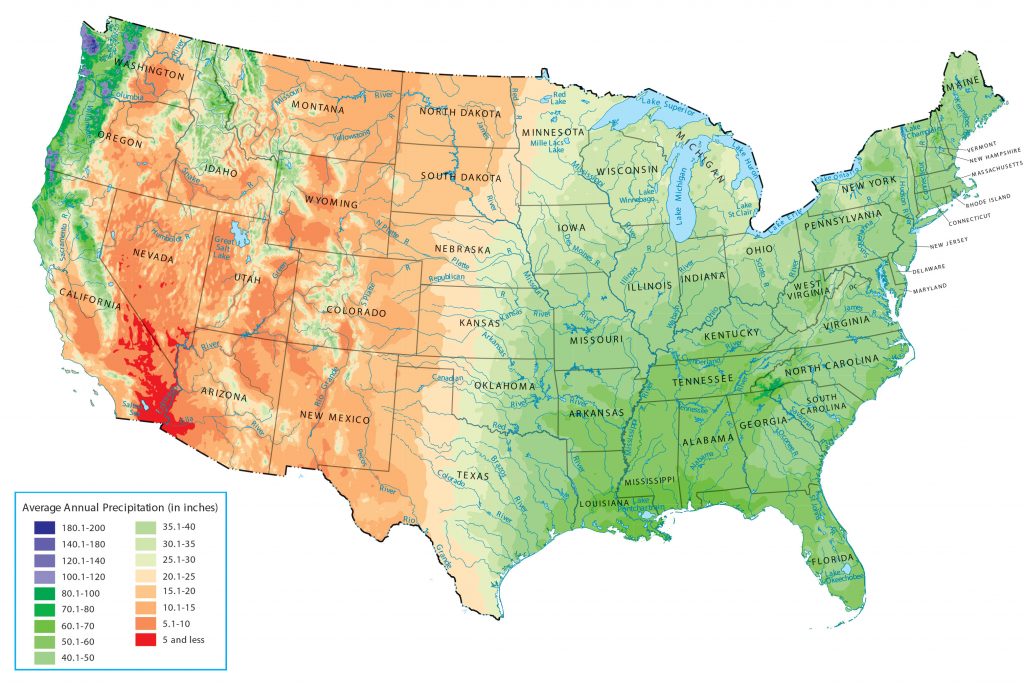
Let us look at the precipitation map of the USA. West is very dry, and the East is relatively lush. If we look at specific territories, New England experiences a 20% increase in precipitation, yet rainfall at the West decreased. We talked about it in our previous blog. There is the same correlation between hydrological cycles and thermodynamic laws at work. 

According to a preliminary estimate, to restore the small hydrological water cycles in California, about 2.6 billion cubic meters of water catchments, small levees, and other retaining measurements are needed to restore the small water cycles. 

An investment of approximately 20 billion USD would create 200 thousand jobs. And a result? Plenty of water in the aquifers, erosion control, healed climate, fire risk relief, end of droughts, and floods. The economy would prosper, and so would the people. 

The endnote remarks__________________________________________________________


On April 5, 2017, my colleagues and I attended the Lecture of Dr. Nate Adena from the World Research Institute held at the University of California- Berkley on global business and climate change. Lots of information, studies about CO2 production from all corners of the world. As the lecture examined global contexts, my colleagues and I discerned what the university the size of a small city 40,000 strong could do for climate change recovery. 

As hydrologists, who analyze the water and the impact of water status on climate change, we have mapped the university’s campus and pondered its carbon footprint. What we could observe right away was its water footprint instead. 


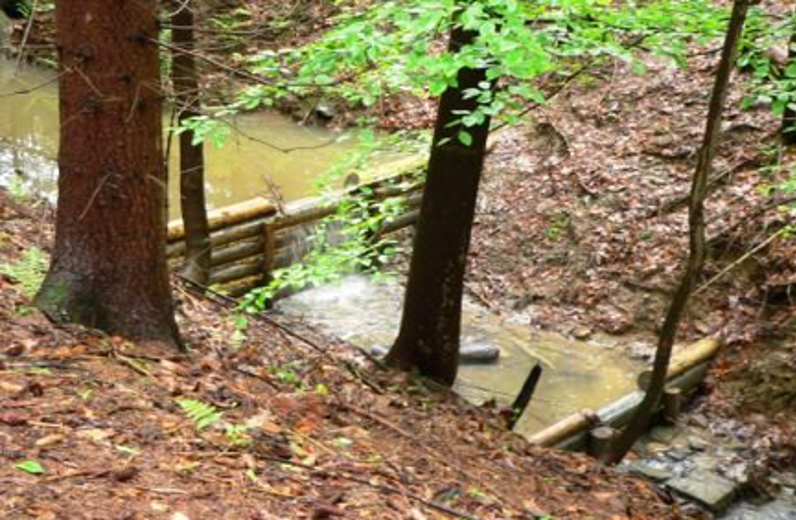
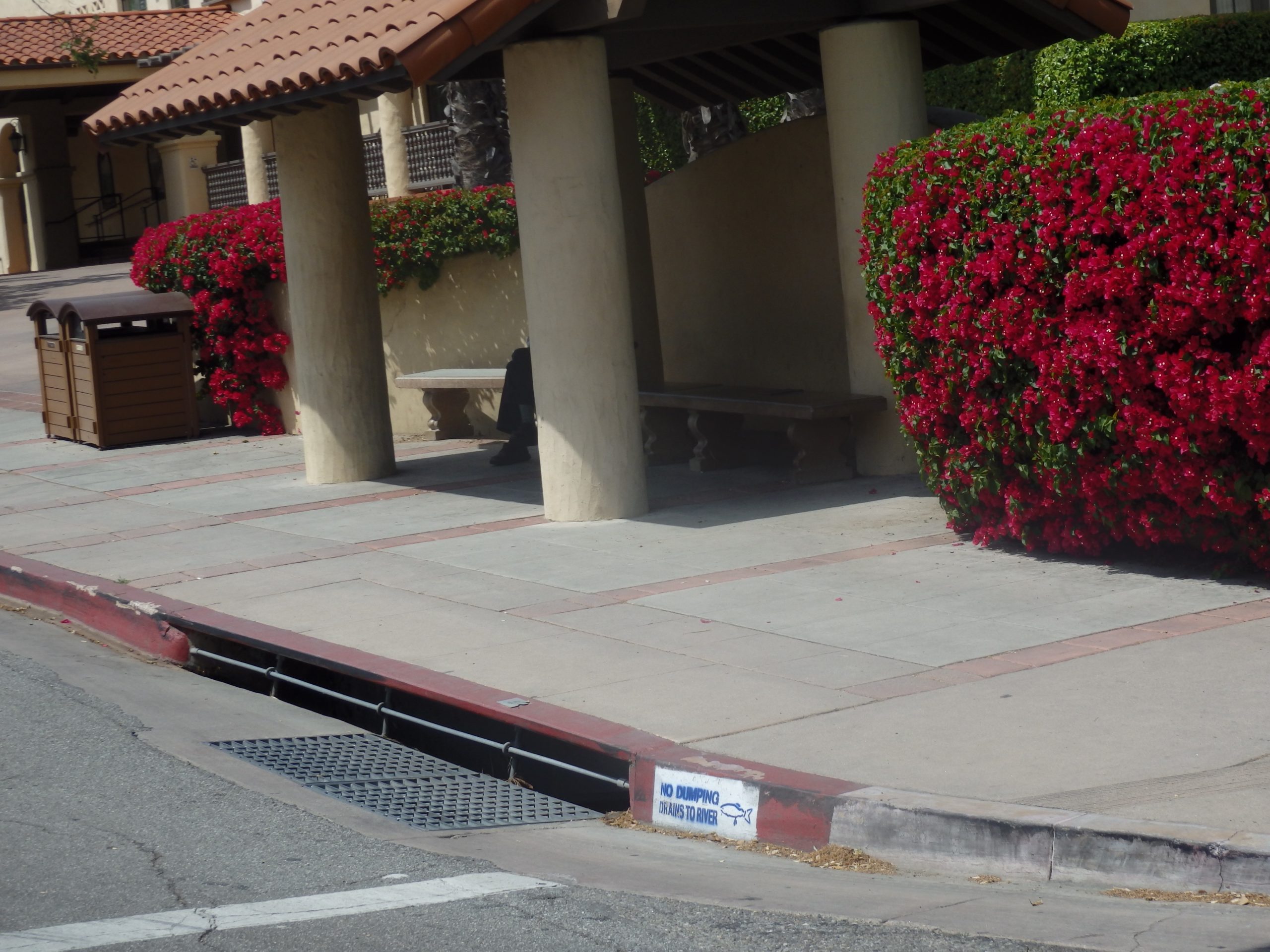
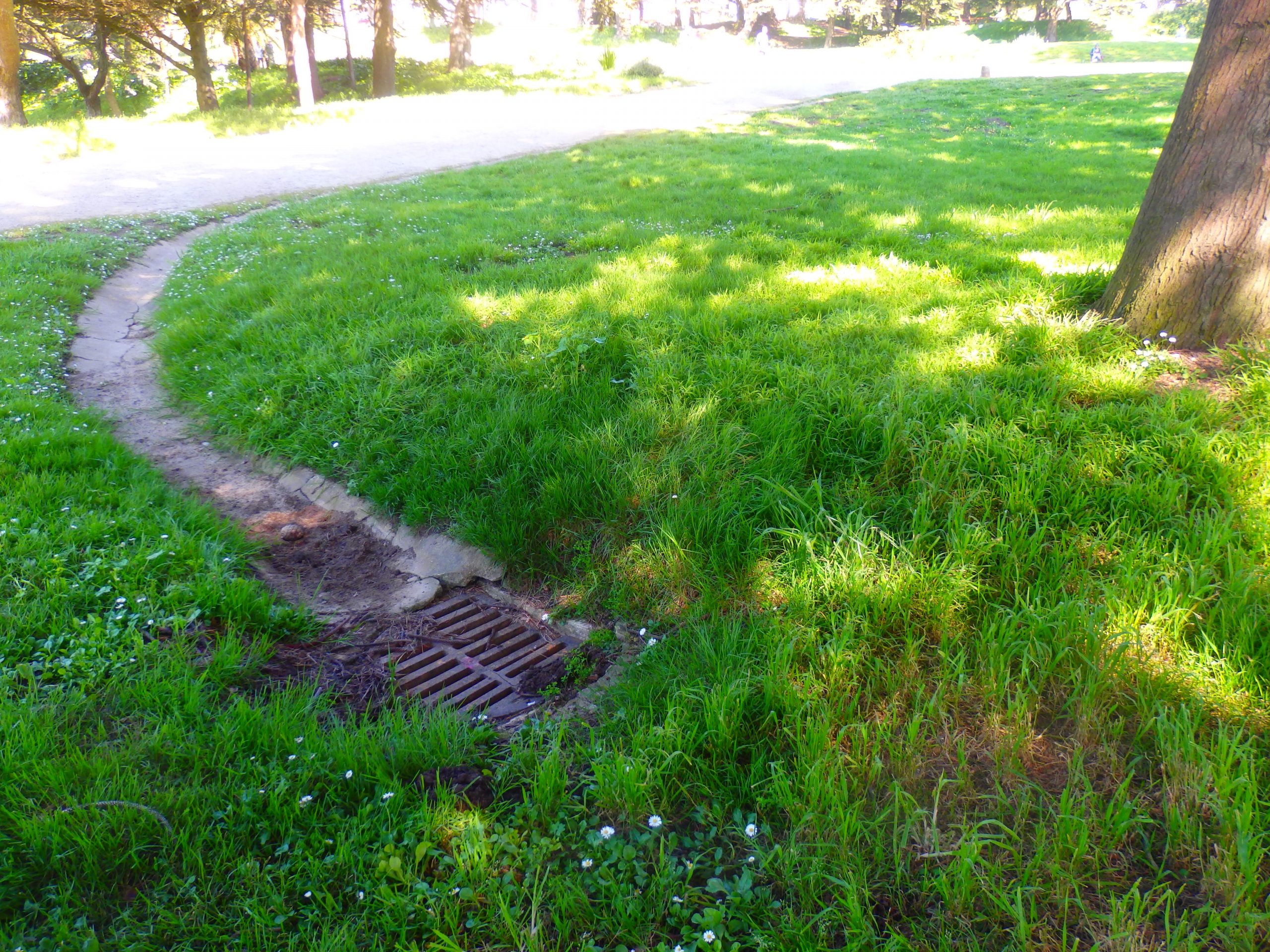
The entire campus is situated on about 1,300 acres. Buildings and infrastructure of sidewalks and roads occupy about half of that area. A water runoff footprint is demonstrated by rainwater management infrastructure of impervious paved areas, parking lots, and roads. Rainwater management from buildings is designed to keep campus dry, to drain runoff water away. Rainwater drainage solution does not protect the natural waterways, however. All rainwater runoff is steered to flow to two streams that emerge throughout the campus. One of the streams is drained underground.

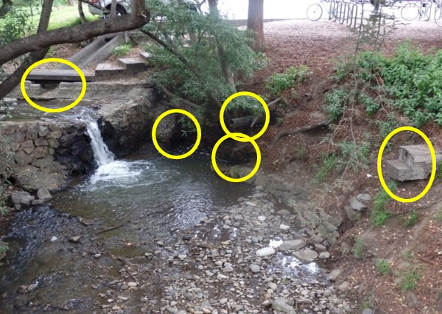
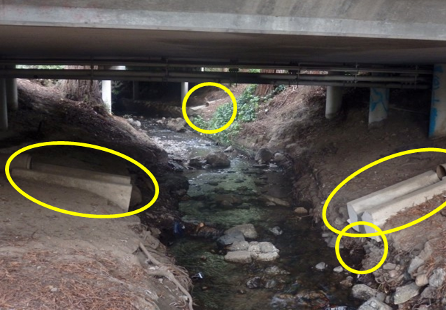
Examples of rainwater management on the campus.

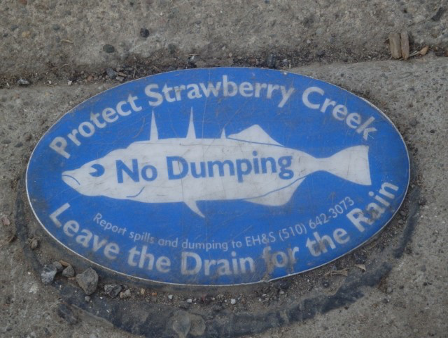
The entire area of impermeable surfaces is drained into local streams. Apparently, environmental volunteers at the university have campaigned to protect Strawbery Creek, but without practical solutions.

The entire rainwater management infrastructure is built to drain rainwater into local streams and out to the sea. Thick drainage pipes that are visible along the banks of the streams point to the evidence: this urban design aims to keep the city dry.

Strawberry Creek even gets diverted underground.

These outdated technologies were designed to keep California dry, right?

Why are we surprised to see the lack of precipitation in small water cycles?

Will the lack of common sense lead to a collapse of successful economy?

Copyright: ©2020 Michal Kravčík

Translation: Zuzana Mulkerin

Sun Rays and Water at the Heart of Both the Cause and Effects of Climate Change.

Sun Rays and Water at the Heart of Both the Cause and Effects of Climate Change.

Sun Rays and Water at the Heart of Both the Cause and Effects of Climate Change.

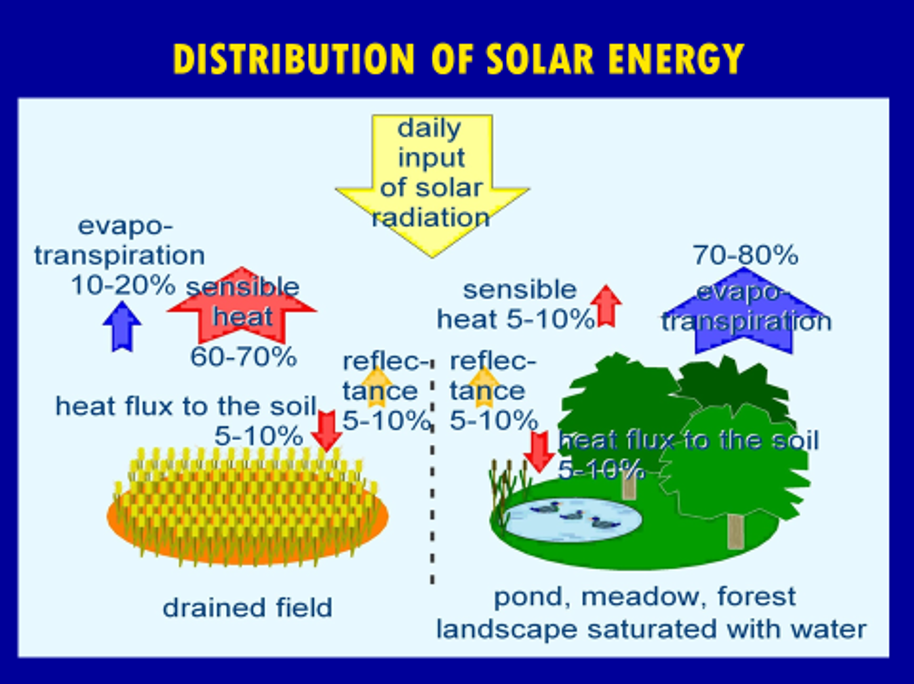
Climate change definition is sometimes misunderstood. A clear and undisputable physical explanation of planet Earth’s temperature changes is not clearly specified. Consequently, climate deniers conveniently insist that climate change is not anthropogenic and human-made. Where is the truth? Let us look at the solar energy distribution as it reaches the planet Earth.

Sun radiation, coming from a distance of 150 million square kilometers away to accompany mother Earth, will reach the upper layers of the atmosphere with 1351 – 1431 watts of energy per square meter. Humankind can survive because the solar energy distributes over the planet’s surface.

As sunlight passes through all the layers of the atmosphere, 47% of it is absorbed.  At the ground level, five to ten percent of solar energy is utilized by heating the ground surfaces. Another five to ten percent of solar energy reflects and bounces off to the atmosphere. The remaining 80-90 % of sun radiation converts to either latent or sensible heat, depending on the state of water volume in the region.

The first law of thermodynamics asserts that energy cannot be created or terminated; energy can only shift from one form to another until they are balanced. Per this law of energy conservation, when the ground contains plenty of water, 80% of the solar energy transforms into latent heat.

Evaporated water transports the latent heat to the colder layers of the atmosphere.

When water vapor condenses, we can see clouds. The Earth’s heat balance law guarantees that when the rain forms at the dew point, latent heat turns to sensible heat. The latent heat warms up the colder layers of the atmosphere at this point in the energy transfer.

As air heats up, it becomes less dense and rises, conveying its energy upward.

During water transition from one phase to another, from gas to liquid, latent heat is interchanged during condensation. In other words, condensing water vapor releases latent heat, which drives much of the atmospheric circulation. Latent heat and, therefore, water vapor propel the energy in climate. Radiation, convection, conduction, etc. are part of the energy exchange. This smart thermal regulation of ecosystems had been in place for thousands of years until humans began to alter Earth’s surface.

In the Anthropocene era, people began to “dry out the Earth” by draining the ground surfaces, altering watersheds, depleting aquifers, damaging the vegetation, and destroying forests. The more we drain the landscape and watersheds the less water evaporates. The less water evaporates, the less moisture is prepared in the atmosphere to “extract” latent heat from the warm troposphere into a cooler atmosphere.

Allow us to add for better understanding, that a healthy water-saturated ecosystem can evaporate up to 10 mm of water on a summer day.

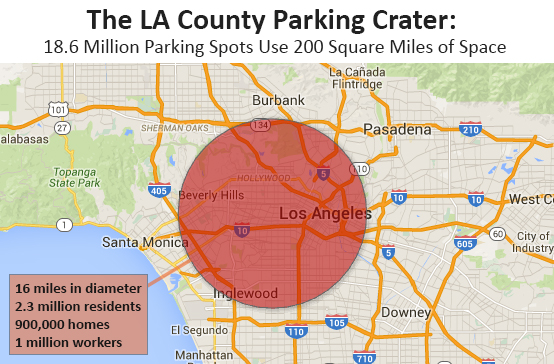
When people alter the environment and for instance pave the parking lot with an impermeable surface such as asphalt and equip it it with the rainwater drainage, they guarantee almost zero evaporation.

When people alter the environment, such as paving the parkinglot with an impermeable surface such as asphalt, equipped with the stormwater drainage, they guarantee almost zero evaporation.

The impermeable surfaces produce 70 MWh of sensible heat per day per hectare, amounting to about 2,800 MWh per year. Such an alarming amount of sensible heat remains in the troposphere, the lowest level of the atmosphere, warming it up by several degrees.

Global Warming. The Global Rain Water Runoff Management Crisis is a Water Crisis.

We estimate that there will be an annual new urban development of 57 000 km2 in the average on the surface of the Earth. Currently, most urban storm management systems ensure that the ground is dry as soon as possible, and stormwater runoff is drained to the nearest river, heading to the sea.

Photo Credit: Shane Phillips at the Better Institutions 

Rainwater presents to be a mere urban inconvenience. That means that less water evaporates from the paved area, and less latent heat transfers upwards to the colder atmospheric layers. 

It is necessary to take into account that if an initial area of 57 000 km2 becomes urban and built-up each year, that means that in 20 years, more than 1 million km2 of land gets drained and dried up, depleting its groundwater resources, suppressing the amount of evaporation. 

Let us take a conservative approach and estimate a 100 mm per year decrease in evaporation from these areas. Such a reduction of water vapor volume would correspond to 100 billion m3, resulting in corresponding changes in the tropospheric sensible heat flux. More than 70 000 TWh of sensible heat result ensues.

Urbanization, coupled with deforestation (about 127 000 km2 per year) and the improper agricultural landscape drainage practices (about 200 000 km2 per year), complete the picture. Civic and agriculture development, and timber harvesting, pull the plug on watersheds. (Pun intended).

In that case, over time, we will experience dizzying changes in the Eart’s energy flows that shape the thermal regulation. The interaction between the Earth’s energy flows regulate the Earth’s temperature to make sure the Earth’s energy budget is balanced.  

Unfortunately, the thermal energy exchange is not part of the current climate models. We need to broaden our discussion.

Why? Why are we focusing entirely on trends in atmospheric CO2?

Changes in greenhouse gases determine the climate properties. Did we forget that water vapor is the most potent greenhouse gas?

Why don’t we pay more attention to the impact of water phases on the Earth’s thermal regime variations?

Water should be the heart of both the cause and effect of Climate Change. As our team pointed out in the New Water Paradigm, we can mitigate Climate change with understanding the water vapor properties. Restoration of small hydrological cycles will renew the balance.


Author: ©2020 Michal Kravčík

Translated by: Zuzana Mulkerin
More information:  People and Water,  New Water Paradigm, Rain for Climate.

Photo credit: Bob Ward on Pexels, Life Of Pix,  Quang Nguyen Vinh, Michal Kravčík. 


It is Cooler by the Water

It is Cooler by the Water

It is Cooler by the Water

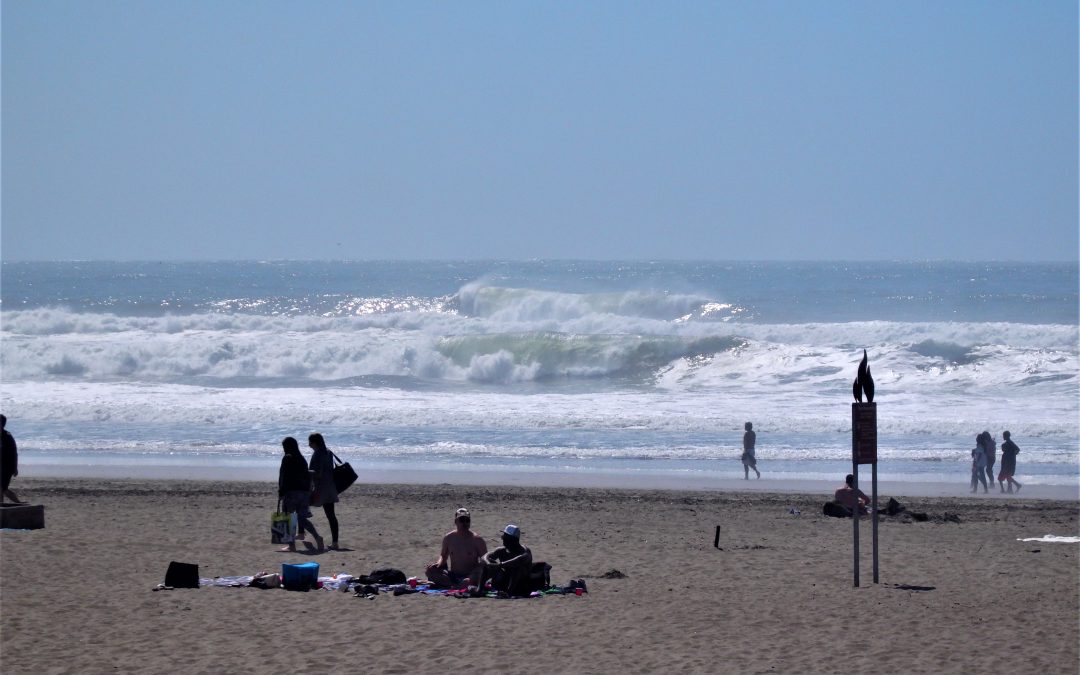
Pacific Ocean near Ventura City.

In my latest New Water Paradigm blog post, I wrote about the impact of a massive heat island in the United States’ interior, which is formed by widespread drought during the summer months. Heat island effects have immense implications throughout the central midwest states. The drought-affected arid country endures a lack of precipitation. The rain that is usually formed from the evaporated water cannot develop, because there is no water to vaporize from the dry land. And when nothing evaporates, there’s nothing to form clouds and rain.   

When there is no water left to evaporate, the overheated arid land releases tremendous heat into the atmosphere, which will block the atmospheric air masses from carrying the moisture inland. This drought-heat tango on one side and resulting extreme weather patterns on another are the subjects of my previous blog. The Russian scientists Gorskhov and Makarieva also explain this relationship in their theory of Biotic Pump.  

 Just as a disturbance of the hydrological cycles created massive heat island inland, a disruption to small water cycles can occur near the ocean shores.  That is the story of California, which is plagued not only by catastrophic droughts but also by widespread wildfires during the summer and by unprecedented floods in winter.  Why is that?    

Why is California A Bad Example of Rain  Management?

California is running out of water. Temperatures soar as a consequence.

eroded and dried-up california

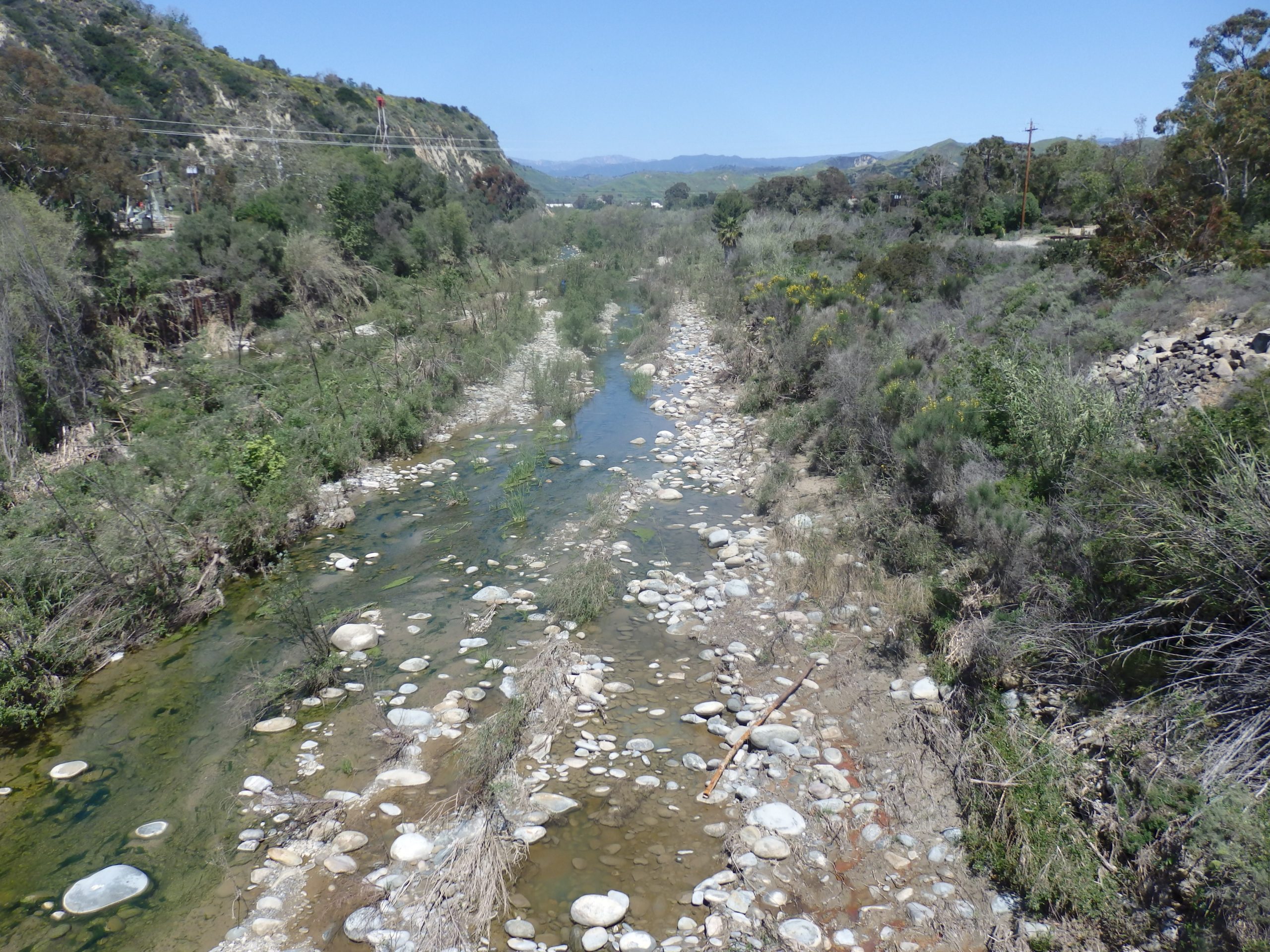
In southern California, an annual amount of precipitation is 15 inches in the Ventura River basin, north of L.A.The Ventura River watershed has a history of running dry. There are often long periods of drought condition, as this region barely receives one-third of the annual rainfall during the four summer months (April-November), when the soil is often “dry to the bone.”  Yet, the peak winter months December – March receive 87% of its annual rainfall. It appears that the cycles of drought and floods have a long history here.  

depleted Ventura river basin


How is this possible for the river to run dry? Why do the frequent high precipitation events occur during the winter months?  

There’s a principle of the biotic pump at work here, whether you are ten or a hundred miles away from the Pacific.   


During winter, as the highest daily temperatures reach around 59°F, the land’s surface produces a minimum amount of sensible heat. However, during the hottest part of the summer, the sensible heat levels are twenty-times fold.  


Daily sensible heat in January amounts to only 2,000 MWh per one square mile. However, at the height of summer, the sensible heat reaches level twenty times higher.   

Ojai Valley runs out of water. Inefficient Rainwater Management Example.

Take the 226 square miles of the Ventura river basin (less than 0.1 percent of the total California area) in one summer day. Depleted, dried-up, and overheated Ventura river basin will generate a significant amount of sensible heat, equivalent to 240 nuclear power reactors, each producing 1,000 MWe.

Logically, such vast amount of energy blocks the entry of moisture-carrying atmospheric currents from the Pacific Ocean on their journey to California inland.

Why is the West Coast of the United States affected, instead of the East Coast?   

What’s more, has it always been the case in California? Not really. 

At the end of the 19th century, the U.S. Congress approved the Homestead Act and related laws, which granted free land to thousands of settlers for a small fee, provided they build the house, farm, and make improvements on their land. Ten percent of U.S. land—or 270 million acres— had been claimed and settled. Farmers abandoned soil conservation practices.  


wildlife sustained by water

Improper and unsustainable land management led to depleting major water aquifers and contributed to long-term droughts and water shortages. The state addressed the water crisis in the middle of the 20th century by submitting ambitious projects and building grandiose dams. Since then, dams have been supplying water to the urban cities as well as agricultural farms. The dams consequently reduced the flow of the Ventura River.  

The hydrologists, whose whole science is built on measuring the properties of water bodies and statistical processing of rainfall and streamflow data, did not count on the hydrologic cycle disruption. The small water cycle is interrupted, nearly depleted to such an extent that the rainy season is getting shorter and shorter, while at the same time, the dry season is expanding to an unprecedented proportion, without recharging the annual precipitation net flux.   


poor rainwater management

A logical conclusion would be that the dams built for with the 20th-century hydrology knowledge fail to catch all the earthbound parts of the water cycle. The dams and reservoirs do not present sufficient solutions to replenish the rivers or provide abundant water falling the clouds. 


There is not enough water precipitation in the small water cycles capable of filling the dams. The river runs dry, and the missing water does not recharge the riverbed during the periods of drought. Hence, these dams and reservoirs are increasingly presenting a risk for the communities in their proximity.  


How to deal with the water crisis, my friends?  

The only way to restore the ecosystems is to return the lost water to small water cycles.   

Keep the water in the watershed

To restore the ecosystems, rainwater retention and area-based natural water management in depleted watersheds will bring unique possibilities to replenish the small water cycles and even return the rain back to the drought-affected arid countryside.  

Moreover, the regenerative ecosystem restoration will result in climate recovery. Restoration of natural small water cycles will deliver the benefits of water and food security, as well as environmental and climate protection.  

There is also a return on investment. Restoring ecosystems would bring a lot of economic benefits. 


Our research at the European Union project SIM4NEXUS confirmed that small water cycle restoration provides reliable water supply with a beneficial return. Local communities will enjoy a bounty of food and fish and sustainable timber harvesting due to sustainable agricultural practices and remedial watershed management. Restoration of small hydrological cycles will deliver solutions that can mitigate climate change and heal the planet.  

Author: ©2020 Michal Kravčík 

Translated by: Zuzana Mulkerin 
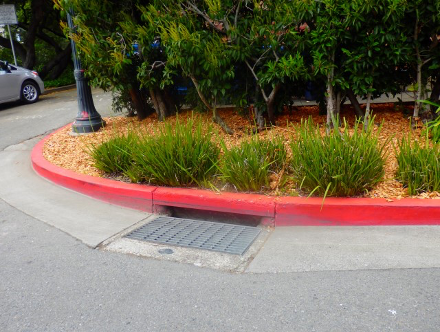
Photo : Michal Kravčík